
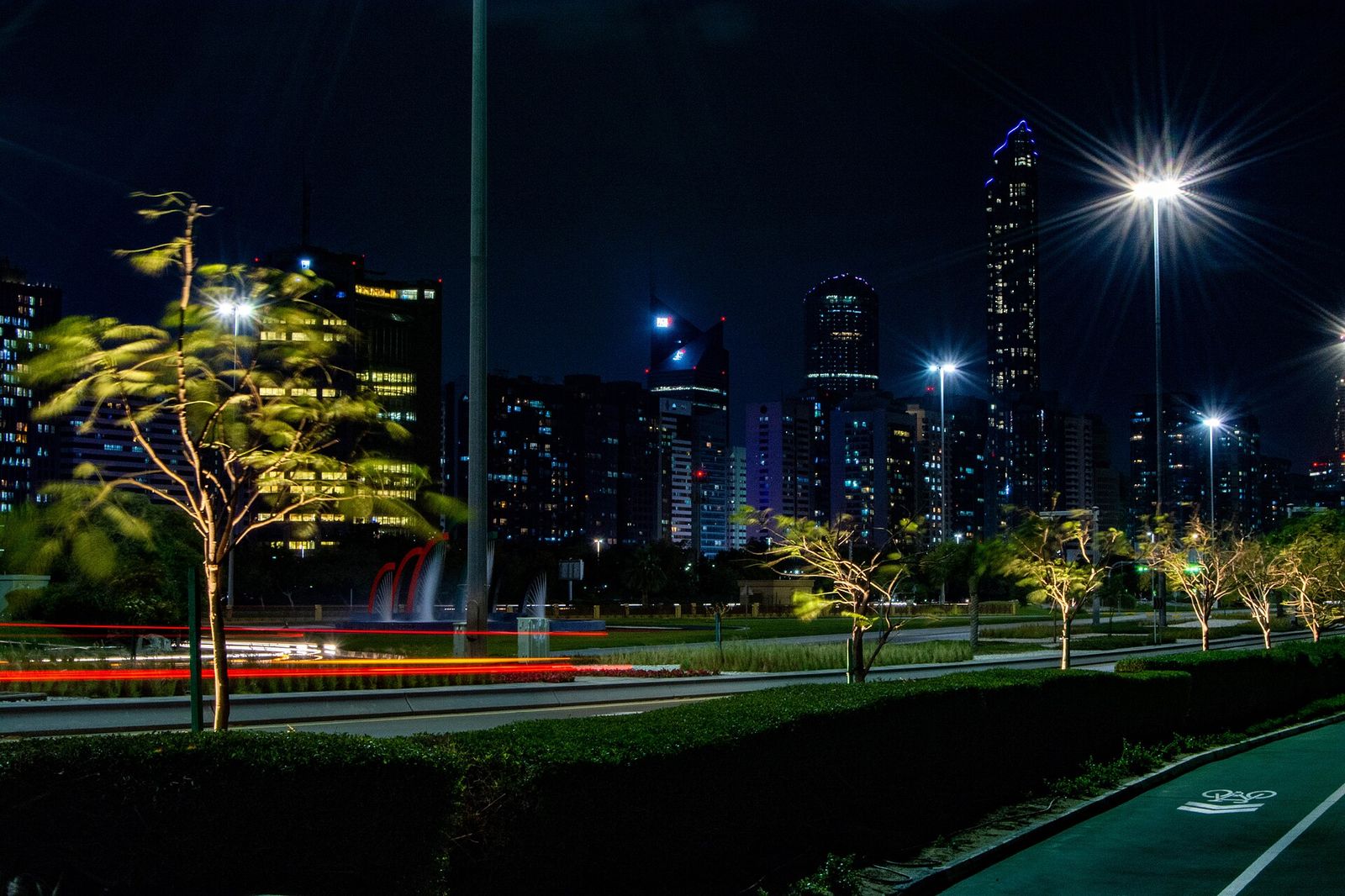
The best time to visit Abu Dhabi is November to March, when daytime temperatures sit around 24 to 30C and the humidity drops. That is the window when the Corniche, the desert and the islands all feel comfortable, and it is also when most of the big events land. If you can only travel in summer, you can still have a good trip, but you will be planning your days around the heat and the air conditioning. This guide breaks the year down month by month so you can match your dates to the weather, the crowds and your budget, and it covers when to rent a car in Abu Dhabi so you can reach the sights that public transport does not.
When is the best time to visit Abu Dhabi?
The best time to visit Abu Dhabi is from November to March. Days are warm and dry, usually 24 to 30C, with cool evenings and low rainfall. This is peak season for beaches, desert trips and outdoor sightseeing, and it includes the Abu Dhabi Grand Prix in early December. Hotel and car rental prices are highest during these months.
Abu Dhabi weather month by month
Abu Dhabi has a desert climate: a long, very hot summer and a short, pleasant winter. There is almost no rain, and what little falls comes in the cooler months. The table below gives typical daytime highs so you can see where your travel dates land.
| Month | Weather (high C) | Season | Good for |
|---|---|---|---|
| January | 24 | Cool, peak | Grand Mosque, Corniche, desert camping |
| February | 25 | Cool, peak | Beaches, F1 circuit tours, day trips |
| March | 28 | Warm, peak | Saadiyat beaches, Liwa, walking tours |
| April | 33 | Warm, shoulder | Early starts, indoor attractions |
| May | 38 | Hot | Pools, malls, Ferrari World |
| June | 41 | Very hot | Indoor parks, evening outings |
| July | 42 | Very hot | Hotel deals, indoor sights |
| August | 42 | Very hot, humid | Aquatic parks, late-night dining |
| September | 40 | Hot | Shoulder pricing, waterparks |
| October | 35 | Warm, shoulder | Desert returns, beach evenings |
| November | 30 | Warm, peak | Everything outdoors, F1 build-up |
| December | 26 | Cool, peak | Grand Prix, festivals, desert |
The cool season: November to March
This is the stretch most travellers aim for. Highs run from the mid-20s in January to about 30C in November, and the evenings are cool enough for a light jacket on the water. Rain is rare, the sea is swimmable, and you can spend a full day outside without wilting.
December is the busiest single month. The Abu Dhabi Grand Prix runs at the Yas Marina Circuit in early December and fills hotels across Yas Island and the city for the race weekend and the concerts attached to it. If you are coming for the F1, book several months out and expect the highest room rates of the year. If you are not, the weeks on either side of the race are calmer and still have the same good weather.
January and February are the coolest months and the best for anything involving long stretches outdoors: desert camping in Liwa, cycling the Corniche, or a slow morning walking around Saadiyat. March stays comfortable but starts warming up toward the end, which makes it a good compromise if you want peak-season weather with slightly thinner crowds late in the month.
Because this is high season, prices for hotels and cars climb. If your dates are fixed around December or the school holidays, reserve early. The trade-off is real: you pay more, but you get the weather the city is built around.
The shoulder months: April and October
April and October sit on the edges of the good season. April highs reach the low 30s and October cools back down to the mid-30s, so both months are warm rather than punishing, especially in the mornings and evenings.
These are the months to target if you want fewer people and softer prices without committing to full summer heat. The water is warm, the beaches are quieter than in winter, and you can still do desert trips if you start early and carry water. By midday in April you will want shade or air conditioning, and October mornings are the better half of the day before the afternoon warms up. For travellers who care more about value than perfect conditions, the shoulder is the sweet spot.
The hot summer: June to September
Summer in Abu Dhabi is genuinely hot. Daytime highs sit around 40 to 42C from June through August, and August adds heavy coastal humidity that makes it feel worse. September eases off a little but still runs hot. This is not the time for long outdoor sightseeing.
It is, however, the cheapest time to visit. Hotels drop their rates, car rental prices fall, and popular places are far less crowded. If your budget matters more than the thermometer, summer works as long as you plan around it. Locals shift their lives indoors and after dark, and you can do the same: malls, indoor theme parks, the Louvre Abu Dhabi, waterparks, and dinner late in the evening when the temperature finally drops.
A car is close to essential in summer. Walking between sights in 42C is unpleasant, and an air-conditioned vehicle lets you go door to door without standing at a bus stop in the sun. Many waterparks and indoor attractions also run summer promotions, so the savings extend beyond the hotel bill.
Visiting during Ramadan
Ramadan moves about eleven days earlier each year on the Western calendar. In 2026 it falls roughly mid-February to mid-March, putting it inside the cool season, and in following years it will drift earlier into winter.
Travelling during Ramadan is fine, but the rhythm of the day changes. Many cafes and restaurants limit daytime service, and eating or drinking in public during fasting hours is discouraged. Hotels still serve food, often discreetly. The upside is the evenings: the iftar meal that breaks the fast turns the city lively after sunset, and many hotels lay on large iftar buffets. Some attractions run shorter daytime hours, so check before you go. If you want the festive evening atmosphere and do not mind quieter days, it can be a memorable time to visit.
Key sights and the best time to see them
Sheikh Zayed Grand Mosque
The Grand Mosque is the one sight most people come for. Go early in the morning or close to sunset, when the light is best for photos and the white marble is not radiating midday heat. It is open daily, with limited hours on Friday mornings for prayers. Dress modestly; robes are available at the entrance if you need them. In the cool season, late afternoon is ideal; in summer, an early visit beats the heat.
Yas Island and Ferrari World
Yas Island packs Ferrari World, Warner Bros. World, Yas Waterworld and the Yas Marina Circuit into one area. The indoor parks are climate-controlled, so they work in any season and are an obvious summer choice. Yas Waterworld is best in the warmer months when you want to be wet anyway. If you are visiting for the Grand Prix in early December, the whole island books out around the race, so plan ahead.
Saadiyat Island and the Louvre
Saadiyat has the best public beaches in the city and the Louvre Abu Dhabi, whose domed roof and shaded walkways stay pleasant even when it is warm outside. The beaches are at their best from November to April. The museum is an easy fallback on a hot afternoon any time of year. Pairing a morning at the Louvre with a late-day swim works well in the shoulder months.
The Corniche
The Corniche waterfront is for walking, cycling and sitting by the water, so it lives and dies by the weather. November to March is prime time, with comfortable days and pleasant evenings. In summer it only really works after dark, when locals come out to walk once the worst of the heat has gone.
Liwa Desert
Liwa, on the edge of the Empty Quarter, has the tallest dunes in the country and is the place for serious desert driving and overnight camping. Visit from November to March, when overnight temperatures are cool enough to sleep and daytime heat is manageable. Avoid summer here entirely. Liwa is a roughly two-hour drive from the city with no easy public transport, which is exactly the kind of trip a rental car is for. A capable 4x4 such as the Nissan Patrol handles the dune roads and the long highway run comfortably.
Events through the year
The calendar shapes when the city is busy and expensive. The Abu Dhabi Grand Prix in early December is the headline event and pulls in the biggest crowds, often paired with major concerts. The cool season also hosts cultural festivals, sporting fixtures and outdoor markets, which is part of why hotels fill up. Summer is quiet by comparison, with activity moving indoors. If you want the city at full tilt, come in the cooler months and book early; if you want it calm, summer and the shoulder weeks deliver.
Prices and crowds at a glance
The pattern is straightforward. November to March is the most expensive and the most crowded, with December the peak around the Grand Prix and the holidays. April and October ease off on both price and crowds while keeping decent weather. June to September is the cheapest by a clear margin, with the fewest visitors, in exchange for serious heat. Match that against what you value most: comfort, savings or the events, and your dates more or less choose themselves.
Abu Dhabi sits less than two hours from Dubai by road, so plenty of travellers combine the two. The seasons line up closely, so if you are also weighing dates for the neighbouring emirate, see the best time to visit Dubai for a side-by-side view: best time to visit Dubai.
The best time to rent a car and explore
The best time to rent a car in Abu Dhabi is the same cool season, November to March, when driving conditions are easy and you can stop anywhere without the heat being a factor. A car earns its keep here more than in most cities, because the capital is spread out and the best sights are scattered: the Grand Mosque, Yas Island, Saadiyat and, above all, the Liwa Desert, which has no practical public link.
In summer a car shifts from useful to close to essential, since standing outdoors for transport in 40C-plus heat is something to avoid. Rental rates are also at their lowest in summer, so the value is strongest in the months when you most need the air conditioning. Whenever you come, having your own vehicle turns a city of long taxi rides into a place you can explore at your own pace, from an early-morning mosque visit to a late desert sunset.