
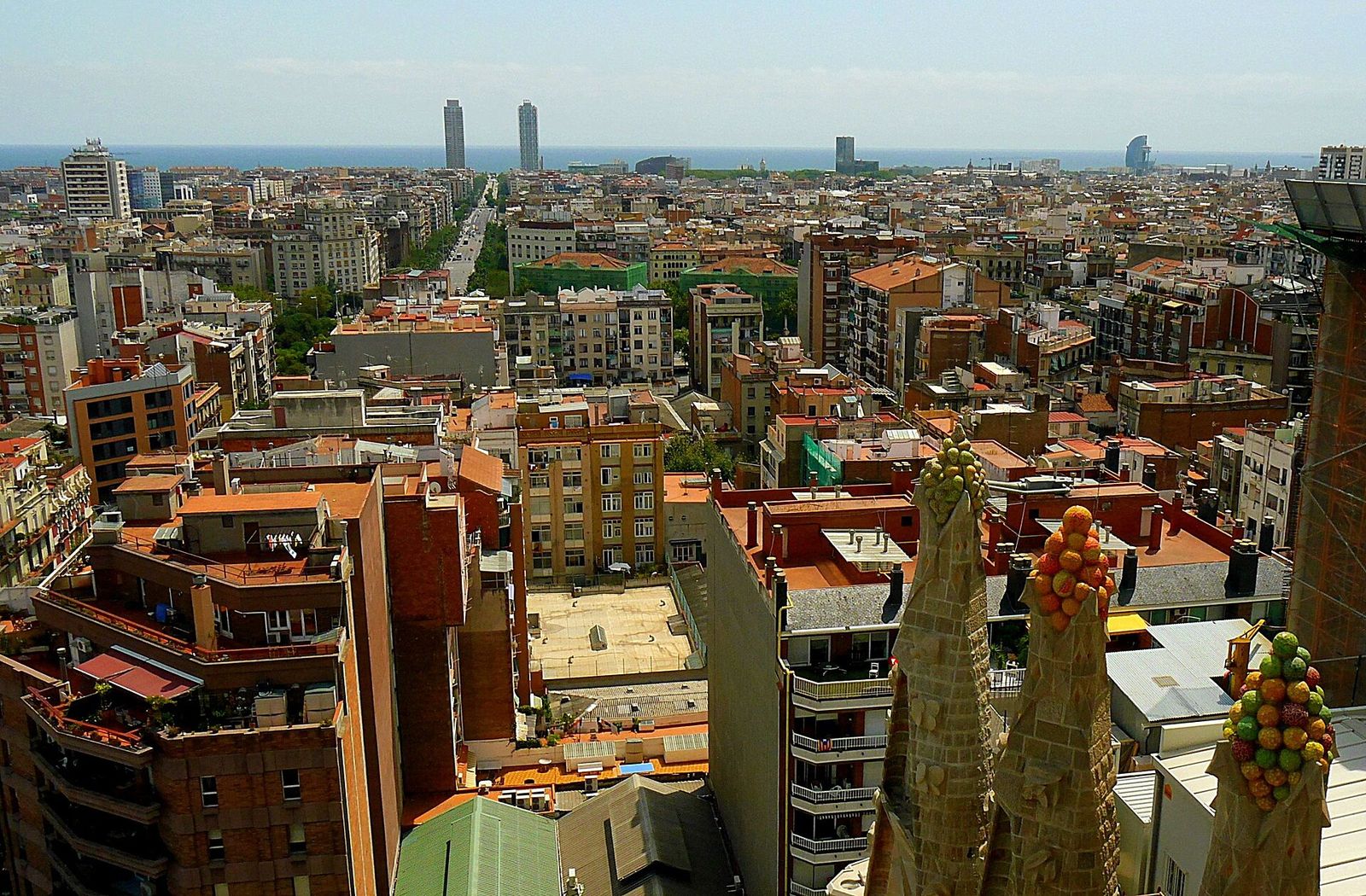
The best time to visit Barcelona is May to June and September: warm enough for the beach, dry, and noticeably calmer than the July to August crush. You get long days, open terraces, swimmable sea and shorter queues at the Sagrada Familia, without the heatwave temperatures and packed Ramblas of high summer. If your priority is low prices instead of weather, November to March is the cheapest stretch of the year, and it is mild by northern European standards. The right month really depends on what you want, so here is a clear month-by-month breakdown, plus when to plan beach days, festivals and day trips by car.
If part of your trip involves the coast or the mountains, it pays to sort transport early. You can rent a car in Barcelona for the days you head out of the city, and skip it for the central districts where walking and the metro are faster.
When is the best time to visit Barcelona?
The best time to visit Barcelona is late spring (May and June) and early autumn (September). These months bring 24 to 28 C days, warm sea, dry weather and fewer tourists than the July to August peak. Spring and autumn also mean lower hotel and flight prices, making them the sweet spot for weather, crowds and value combined.
Barcelona weather and crowds month by month
Barcelona has a Mediterranean climate: hot, dry summers and mild, wet-ish winters. It almost never snows, and even January rarely drops below 5 C at night. The table below uses typical average daytime highs so you can match the month to your plans.
| Month | Weather (high C) | Crowds | Good for |
|---|---|---|---|
| January | 14 | Low | Cheap city breaks, museums, Three Kings parade |
| February | 15 | Low | Bargains, sightseeing without queues |
| March | 17 | Low to moderate | Spring city walks, fewer tourists |
| April | 19 | Moderate | Sant Jordi, Easter, mild day trips |
| May | 22 | Moderate | Sightseeing, early beach days, terraces |
| June | 26 | High | Beaches open, Primavera and Sonar festivals |
| July | 29 | Very high | Beach holidays, nightlife, peak prices |
| August | 30 | Very high | Hot beach days, but many locals leave |
| September | 28 | High then easing | Warm sea, La Merce, great all-rounder |
| October | 23 | Moderate | Mild weather, lower prices, day trips |
| November | 18 | Low | Quiet sightseeing, cheap hotels |
| December | 15 | Low to moderate | Christmas markets, festive lights |
Spring in Barcelona (April to June)
Spring is when the city wakes up. April still sees the odd rainy day, but daytime highs climb into the high teens and low twenties, and the parks fill out. By May you can comfortably sit on a terrace at night, and the sea is just about warm enough for a quick swim by late in the month. June is genuinely summery, with highs around 26 C and the beaches in full swing, though prices and visitor numbers rise sharply once schools start to break up across Europe.
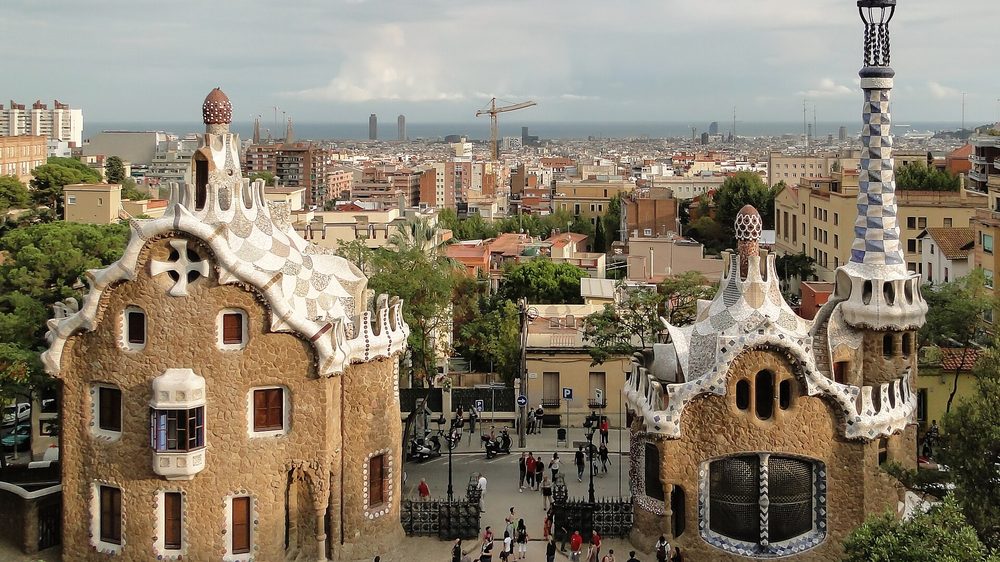
This is my pick for first-time visitors who want to walk the city for hours without wilting. Mornings are cool, afternoons are bright, and the light is good for the Gothic Quarter and Park Guell. Rain is possible in April and tapers off through May, so a packable jacket covers you on the odd grey day, but most of spring is dry and bright. The water temperature lags behind the air, sitting around 16 to 18 C through April and May, which is fine for a quick dip but not for lounging in the sea for hours.
Spring also has two of the best events on the calendar. Sant Jordi on 23 April is Catalonia’s day of books and roses: the streets fill with stalls, people give each other a book and a rose, and the whole city is out walking. Late May and early June bring two huge music festivals, Primavera Sound and Sonar, which draw big international crowds and push hotel prices up for those specific weekends.
Summer in Barcelona (July and August)
Summer is peak season, and it shows. Highs sit around 29 to 30 C, humidity makes it feel warmer, and the beaches, the Ramblas and the major sights are at their busiest. If you have come for sun, sand and a long, loud night out, this is the time. The sea is at its most swimmable, beach bars run late, and the energy is high.
The trade-offs are real. Hotel rates hit their annual peak, popular restaurants need booking, and the queues at the Sagrada Familia and Park Guell are long even with a timed ticket. One quirk worth knowing: many locals leave the city in August, so some smaller shops and family-run restaurants close for a few weeks. The city does not shut down, but the neighbourhood feel thins out in favour of tourists.
If you visit in summer, plan indoor or shaded activities for the early afternoon and save the beach for late afternoon and evening when the heat eases. Book major attractions weeks ahead, carry water, and treat midday as downtime rather than fighting through it. Hotels with a pool or rooftop become genuinely useful in July and August, and an early start lets you see the headline sights before the worst of the heat and the queues build up.
Autumn in Barcelona (September and October)
September is arguably the single best month. The sea is still warm from a summer of heating up, often warmer than in June, the air sits around 28 C, and the worst of the crowds start to thin once the first week passes. You get reliable beach weather with a more relaxed atmosphere.
September also hosts La Merce, Barcelona’s biggest street festival, held around the 24th in honour of the city’s patron saint. Expect free concerts, fireworks over the beach, parades of giant figures, and the castellers building human towers. It is busy but it is the city celebrating itself, not just a tourist event.
October cools to the low twenties, prices drop, and it becomes one of the most comfortable months for sightseeing and day trips. Rain becomes more likely later in the month, so pack a light jacket, but you will share the main sights with far fewer people.
Winter in Barcelona (November to March)
Winter is the cheapest and quietest time to visit. Flights and hotels fall to their lowest, and you can walk into attractions that would have a 40-minute line in August. Daytime highs hover between 14 and 18 C, which is mild enough for long walks and outdoor coffee on sunny days. Nights are cool but rarely freezing.
You will not be swimming, and some beach businesses close, but the city itself is very much open. December brings Christmas lights, the Fira de Santa Llucia market by the cathedral, and a festive mood. Early January has the Three Kings parade on the 5th, a big deal for Spanish families. February and March are low-key, ideal if your goal is museums, architecture and food without the queues or the budget hit.
Beach and sea season in Barcelona
Beach season runs roughly from late May to early October. The sea is coldest in winter, around 13 to 14 C, and warmest in August and September, around 24 to 26 C, which is why early autumn often beats early summer for swimming. Barceloneta and the city beaches get crowded in July and August, so for a calmer day consider heading slightly out of town.
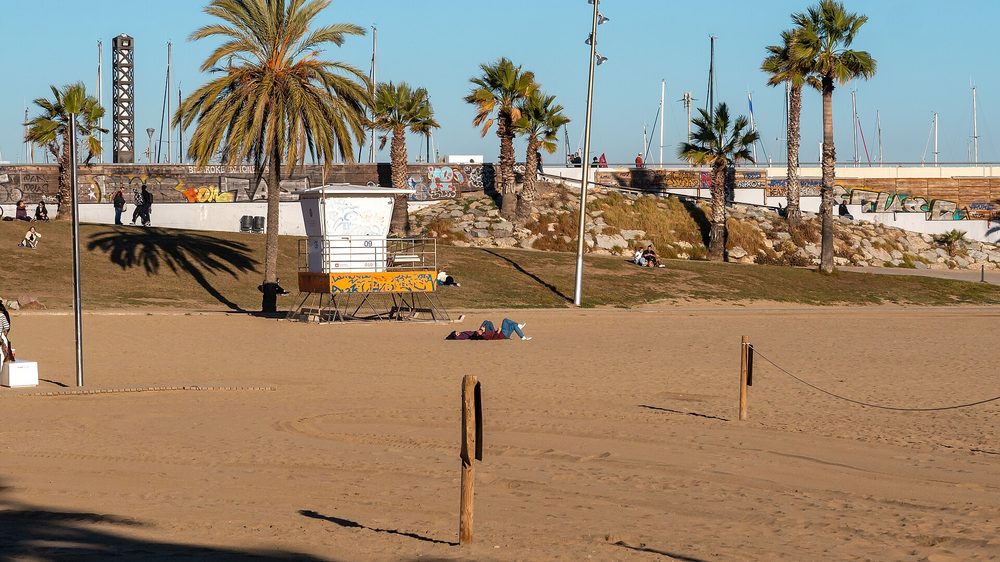
If you want quieter sand, this is where a car earns its keep. Beaches south toward Sitges and north along the Costa Brava are easy to reach by road and far less packed than the urban shoreline in peak weeks. The water stays warm enough to swim well into October most years, so the season for a comfortable dip is longer than many visitors expect, especially compared with northern Europe.
Festivals worth planning around
Barcelona’s calendar can shape your trip. Sant Jordi (23 April) is charming and very local. Primavera Sound and Sonar (late May to mid June) are major music draws that fill hotels. La Merce (late September) is the headline city festival. Around these dates, book accommodation well ahead and expect higher prices, but you also get a city in full celebration mode, which can be the highlight of a visit if you time it right.
When to visit for the lowest prices
For the cheapest trip, target November to March, skipping the Christmas and New Year window when rates briefly spike. January and February are the bargain months for flights, hotels and car rental. Shoulder season, meaning late April to early June and October, gives you the best balance: prices well below July and August, with weather that is still good. Booking flights and a rental car a couple of months out helps in any season, since last-minute summer rates in particular climb fast.
Best time for day trips by car
Some of the best of Catalonia sits within a short drive, and the ideal window for road trips is May, June, September and October. The weather is warm but not punishing, the roads are clear of August holiday traffic, and the destinations themselves are pleasant rather than baking. A small SUV like the Dacia Duster handles coastal roads and mountain switchbacks comfortably without being awkward to park.
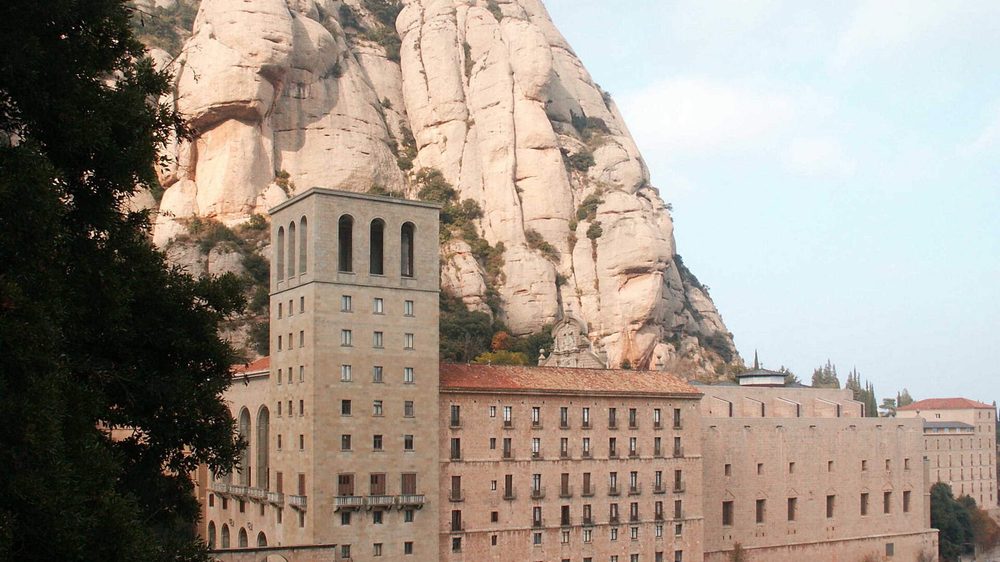
The Costa Brava, the rugged coastline north of the city, is at its best in late spring and early autumn, when the coves around Calella de Palafrugell and Cadaques are swimmable but not overrun. Montserrat, the serrated mountain and monastery inland, is good almost year-round, though spring and autumn give you clear views and comfortable walking on the trails. Sitges, a pretty seaside town to the south, makes an easy half-day trip and is liveliest from June through September.
A few practical notes for driving. You do not want a car for central Barcelona, where parking is expensive and low-emission zone rules apply, so pick it up the morning you leave the city and return it after. If you are visiting from outside the EU, check whether your licence is enough on its own; our guide on whether you need an International Driving Permit in Spain covers the rules so you do not get caught out at the rental desk.
So when should you go?
If you can choose freely, go in May, June or September for the best mix of weather, open beaches and manageable crowds. Pick July or August only if a full beach-and-nightlife summer is the whole point, and accept the heat and prices that come with it. Choose November to March if you want a cheap, calm city break and do not mind skipping the sea. Whatever month you land on, plan beach days for late afternoon in summer, book around the big festivals, and save the car for the coast and the mountains rather than the city centre.