
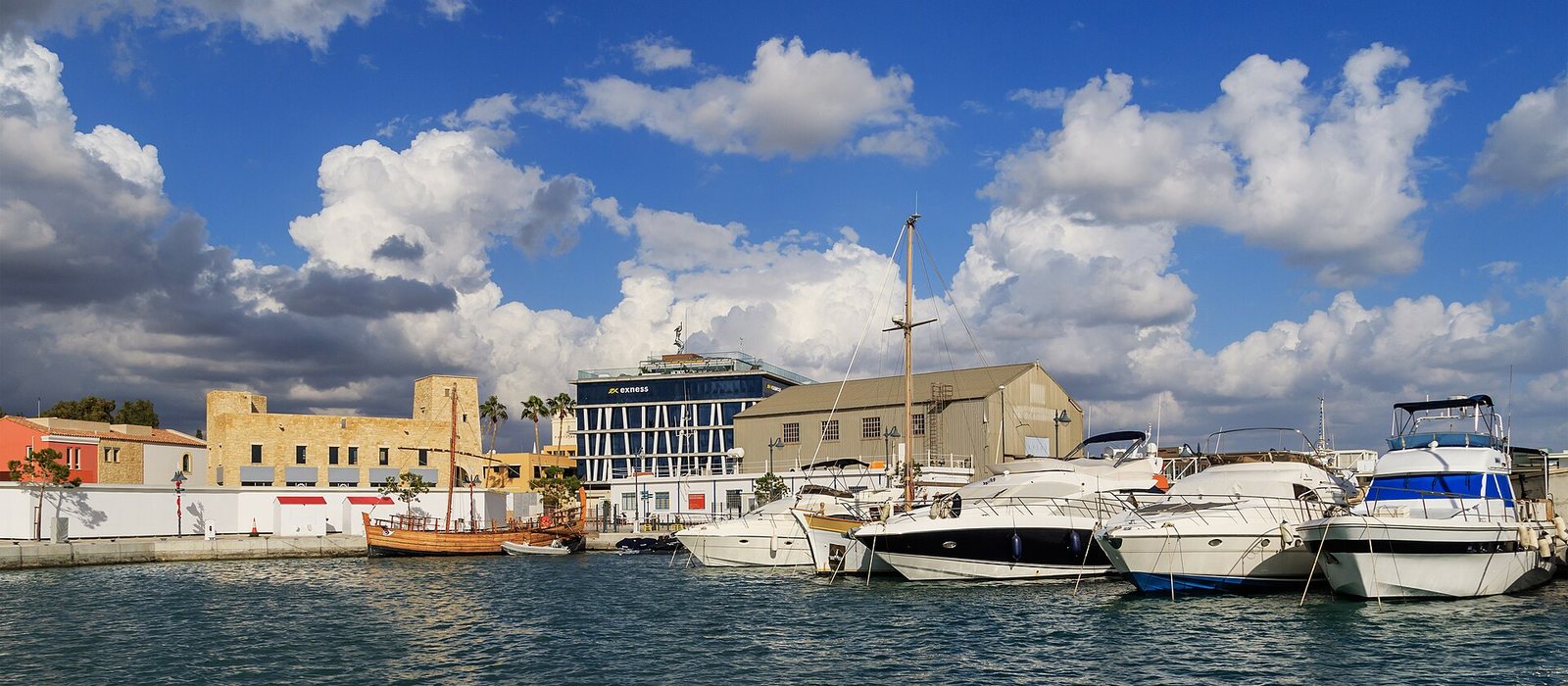
The best time to visit Cyprus is April to June and September to October, when days are warm and sunny, the sea is swimmable, and the crowds and prices of high summer have not kicked in. Those shoulder months suit almost everyone: beachgoers, hikers, history buffs and anyone who wants to drive around the island without melting in the car park. That said, Cyprus is a year-round destination. July and August are the beach peak, winter is mild on the coast, and the Troodos Mountains even get enough snow to ski. This guide breaks down the weather month by month so you can pick the dates that fit your trip.
When is the best time to visit Cyprus?
April to June and September to October are the best times to visit Cyprus. Expect daytime highs of roughly 22 to 30 C, a sea that is comfortable for swimming by late May, long sunny days, and lower prices than July and August. Spring adds wildflowers and green hills; autumn keeps the sea at its warmest.
Cyprus weather month by month
Cyprus has a Mediterranean climate: hot, dry summers and short, mild winters. The coast (Limassol, Paphos, Larnaca, Ayia Napa) is warmer and drier than the inland Troodos Mountains, which can be 8 to 10 C colder and hold snow from January into March. The table below uses typical coastal figures.
| Month | Weather (high C) | Sea (C) | Good for |
|---|---|---|---|
| January | 16 | 17 | Quiet coast, skiing in the Troodos, low prices |
| February | 17 | 16 | Almond blossom, snow in the mountains, walking |
| March | 19 | 17 | Early spring, wildflowers, sightseeing |
| April | 22 | 18 | Hiking, wildflowers, mild beach days |
| May | 26 | 21 | Swimming starts, hiking, fewer crowds |
| June | 30 | 24 | Beaches, long days, warm sea |
| July | 33 | 26 | Peak beach season, hot, busy |
| August | 34 | 27 | Hottest month, warmest sea, peak crowds |
| September | 31 | 27 | Warm sea, beaches, thinner crowds |
| October | 27 | 25 | Swimming, sightseeing, mild and pleasant |
| November | 22 | 22 | Last warm swims, quiet, green returns |
| December | 18 | 19 | Mild coast, festive towns, mountain snow starts |
Numbers vary year to year and by location. Inland and the high Troodos run cooler than these coastal averages, and the southeast around Ayia Napa tends to be a degree or two warmer than the west coast.
Spring in Cyprus (March to May)
Spring is the island at its prettiest. After winter rains the hills turn green, and from late February through April the countryside fills with wildflowers: poppies, anemones, orchids and the pink cyclamen that grow wild on the rocks. Daytime highs climb from about 19 C in March to the mid-20s in May, with cool evenings you will want a light jacket for.
This is prime hiking season. The Troodos trails, the Akamas Peninsula near Paphos and the Avakas Gorge are comfortable to walk before the summer heat arrives. The sea is still cool in March and April, around 17 to 18 C, so spring is more about exploring than swimming. By the second half of May the water reaches about 21 C and the first proper beach days begin.
Spring also means smaller crowds and lower hotel rates than summer, plus Easter, which is a big deal in Cyprus. If your dates land near Greek Orthodox Easter, expect village celebrations and some shops and sights keeping shorter hours over the holiday.
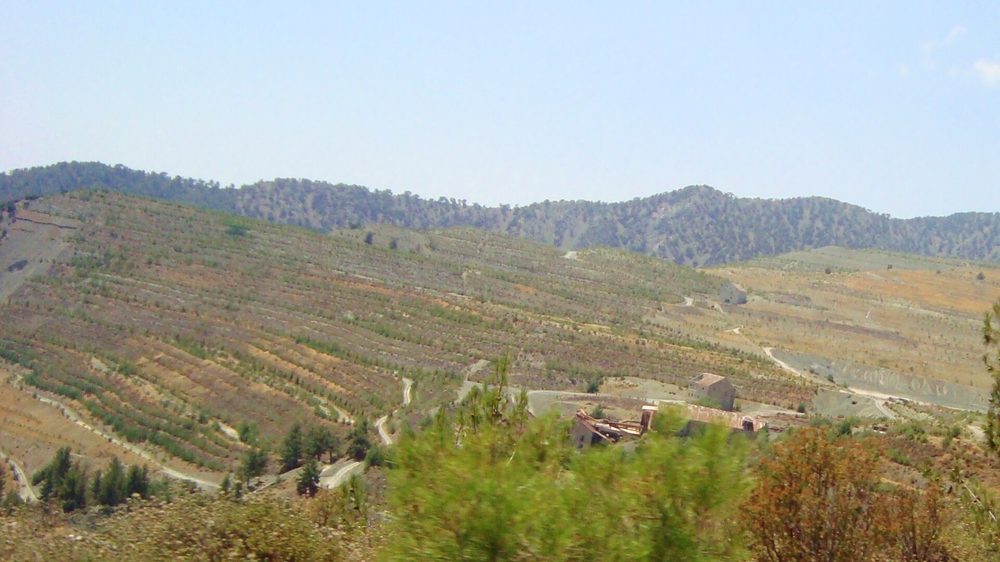
Summer in Cyprus (June to August)
Summer is hot, dry and busy, and it is the classic Cyprus beach holiday. June is the gentler end, with highs around 30 C and a sea near 24 C. July and August are the real heat: daytime highs of 33 to 35 C on the coast, often higher inland, with very little rain and strong sun. Nicosia, away from the sea breeze, regularly tops 38 C.
This is when the beaches are at their best for swimming, with sea temperatures of 26 to 27 C, basically warm bath territory. Resort towns like Ayia Napa and Protaras are in full swing, with water sports, boat trips and a loud nightlife scene. Limassol and Paphos are lively too, and the seafront promenades stay busy late into the evening.
The trade-off is crowds and prices. July and August are the most expensive and most booked months of the year, so reserve hotels, popular restaurants and your rental car well ahead. If you visit in peak summer, plan sightseeing and driving for the morning or late afternoon, keep the hot middle of the day for the beach or a shaded lunch, and head up to the Troodos when you want to escape the heat. The mountains are several degrees cooler and the pine forests give real shade.
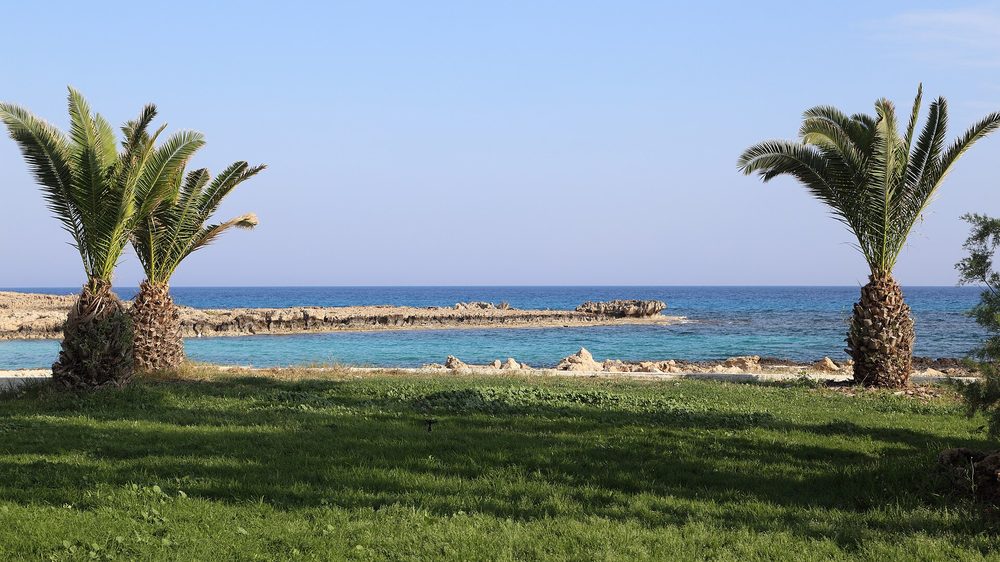
Autumn in Cyprus (September to November)
Autumn is a strong contender for the best time of all. September still feels like summer, with highs around 31 C, but the school-holiday crowds have thinned out. The big draw is the sea: it holds the warmth it built up over summer, sitting at about 27 C in September and still a pleasant 25 C in October. You can swim comfortably while paying less than you would in August.
October is arguably the sweet spot for a mixed trip. Highs around 27 C make sightseeing and walking enjoyable again, the water is still warm, and the light is lovely for photos. The wine villages on the southern slopes of the Troodos hold their grape harvest and wine festivals around early autumn, which is a good reason to head inland.
By November things cool down. Highs drop to about 22 C, the first rains return and the landscape starts to green up. The sea is still swimmable for the hardier, around 22 C early in the month, and prices are low. It is a quiet, relaxed time to visit if beach time is not your main goal.
Winter in Cyprus (December to February)
Winter on the Cyprus coast is mild rather than cold. Coastal highs sit around 16 to 18 C, with cooler nights and the island’s main rainfall arriving between December and February. You can still enjoy long lunches outdoors on sunny days, walk the coastal paths, and visit archaeological sites and old towns without the heat or the crowds. This is the cheapest time to travel, and the towns feel local again.
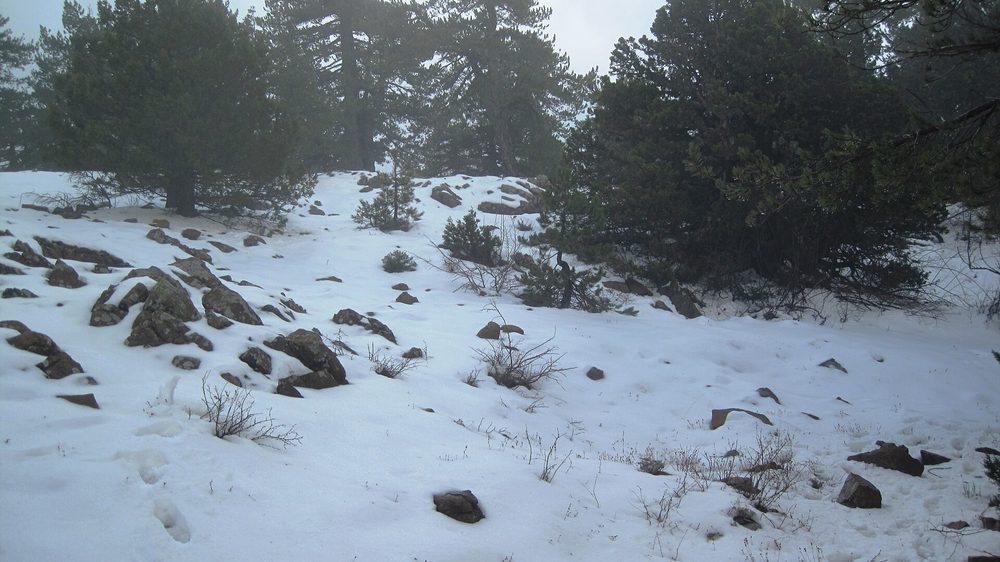
The surprise for many first-time visitors is the snow. The high Troodos Mountains, topped by Mount Olympus at 1,952 m, get reliable snowfall from roughly January to March. There is a small ski area on Olympus with a handful of lifts and runs. On a clear winter day you can genuinely ski in the morning and be on a coastal beach walk in Limassol by mid-afternoon, since the drive down takes well under two hours.
Winter is not beach weather. The sea drops to around 16 to 17 C, too cold for most people. Some seasonal hotels and restaurants in the resort towns close for the off-season, so check what is open before you book. If you want sun, mild temperatures, culture and the option of snow, winter still delivers.
When is the swimming season in Cyprus?
The swimming season in Cyprus runs from about May to November. Here is the quick version:
- Comfortable for most people: June to October, with sea temperatures of 24 to 27 C.
- Warmest sea: August and September, around 27 C.
- Shoulder swims: late May (about 21 C) and November (about 22 C), fine if you do not mind cooler water.
- Too cold for most: December to April, when the sea is roughly 16 to 18 C.
Cyprus has many Blue Flag beaches, especially around Ayia Napa, Protaras, Paphos and Limassol, so water quality is high through the season.
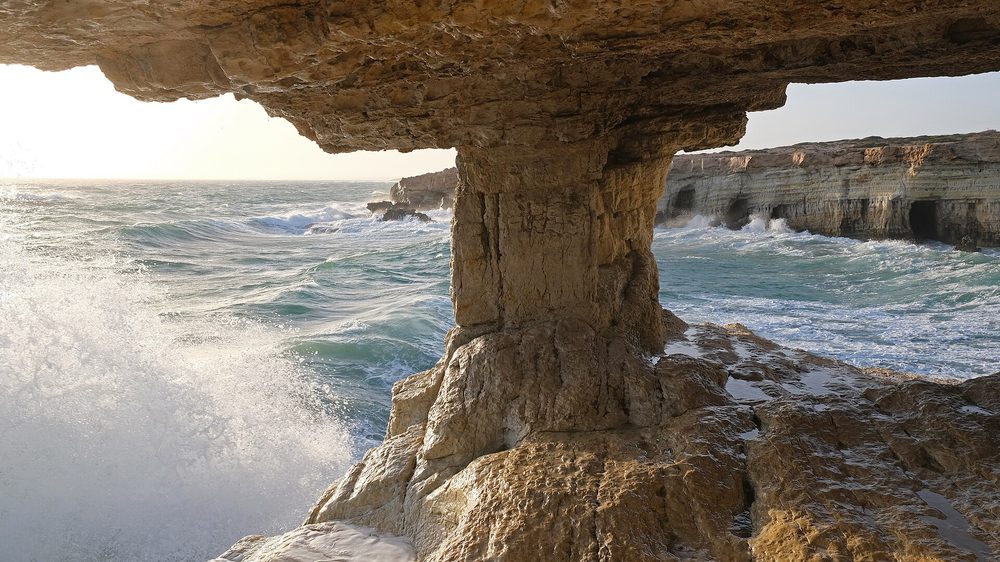
Choosing a region and a base
When you go can shape where you stay.
- Limassol is central and works year-round. It has a long seafront, a lively old town, and it is the easiest base for day trips both east and west. If you want one base for the whole island, this is it. From here you can rent a car in Limassol and reach most major sights within a couple of hours.
- Paphos suits spring and autumn travellers who want archaeology, the Akamas and quieter beaches. The west coast is a touch cooler and greener.
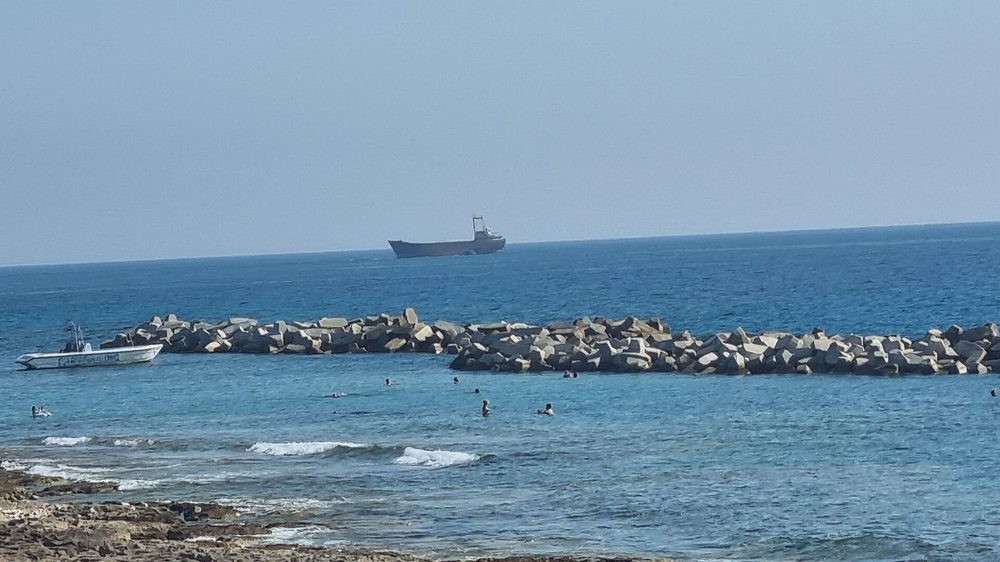
- Ayia Napa and Protaras are the summer beach hubs in the southeast, with the warmest, busiest beaches and the most nightlife. Brilliant in July and August, sleepy in winter.
- Troodos is the mountain region, best for hiking in spring and autumn and for snow and skiing in winter. Pack warmer clothes whatever the season.
Prices and crowds through the year
If budget and quiet matter, timing is everything. The cheapest, quietest months are November to March, outside the Christmas and New Year week. Prices and visitor numbers climb through spring, peak hard in July and August, then ease again in autumn.
The shoulder seasons, roughly April to June and September to October, are the value sweet spot: good weather, a usable sea, open beaches and restaurants, and rates well below peak. Book early for summer and for any trip over Easter, Christmas or New Year, when both hotels and cars get tight.
The best time to rent a car and tour the island
Cyprus rewards drivers in every season, but the most comfortable months for a full island road trip are April to June and September to October. The weather is warm without the brutal midsummer heat, the mountain roads are clear of snow, and you can combine beaches, villages and hiking in a single trip. Spring gives you wildflowers along the roadsides; autumn gives you the wine villages at harvest time.
A car matters here because the sights are spread out and public transport is limited between towns and into the mountains. Buses connect the coastal cities reasonably well, but they thin out fast once you head inland to the Troodos villages, the Akamas or the wine country, which is exactly where the most memorable parts of the island are. If you are weighing it up, our guide on whether is it worth renting a car in Cyprus goes through the costs and trade-offs in detail.
Match the car to the season. For summer city-and-beach trips a compact like the Toyota Yaris is cheap to run, easy to park in the old towns and frugal on fuel. If your plan includes the rough tracks of the Akamas or winter drives up to the Troodos snow, a small SUV with more ground clearance is the safer pick. Whatever you choose, book ahead for July, August and the holiday weeks, when the cheaper cars sell out first.
Whenever you come, Cyprus gives you something: wildflowers and quiet trails in spring, warm sea and long beach days in high summer, the warmest water and thinner crowds in autumn, and mild, low-cost days with snow in the mountains in winter. Pick the season that matches the trip you want, then build the dates around it.