
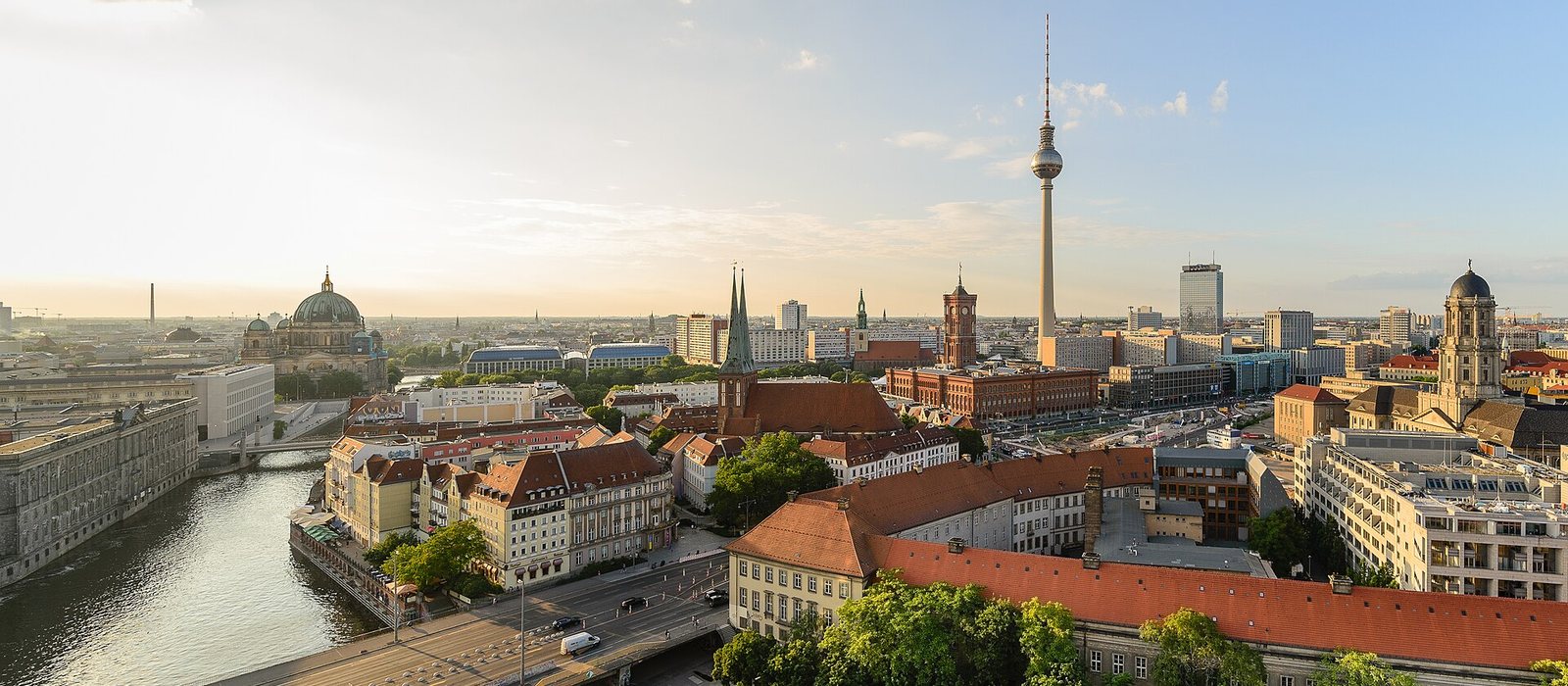
The best time to visit Germany is late May to September if you want warm, walkable weather, and December if you came for the Christmas markets. Those two windows cover most of what brings people here: castles and city breaks under long daylight, or glühwein and wooden stalls in the dark. Everything else is a trade-off between crowds, prices and what the sky is doing. This guide breaks the year down month by month so you can match your trip to the weather, the festivals and the kind of travel you actually want. If a road trip is the plan, you can rent a car in Berlin and point it south toward Bavaria.
When is the best time to visit Germany?
The best time to visit Germany is late May through September for warm weather, long days and outdoor festivals, with July and August the peak for both sun and crowds. For Christmas markets, go from late November to mid December. April and October are quieter shoulder months with lower prices and decent, if cooler, conditions.
Germany weather and seasons at a glance
Germany sits in a temperate zone, so summers are mild rather than hot and winters are cold and grey rather than brutal. The catch is variability. A June afternoon can swing from sun to a downpour in an hour, and the south (Bavaria, the Alps) runs cooler and wetter than the protected Rhine valley or the flat north. Pack layers in almost every season.
Here is how the year looks across the main travel metrics.
| Month | Weather (avg high C) | Crowds | Good for |
|---|---|---|---|
| January | 3 | Low | Alpine skiing, fewer tourists, low city prices |
| February | 4 | Low | Skiing, Karneval/Fasching season, winter deals |
| March | 9 | Low | Early spring, budget city breaks, thin crowds |
| April | 14 | Medium | Cherry and apple blossom, Easter markets, mild walks |
| May | 19 | Medium | Best spring weather, green countryside, road trips |
| June | 22 | Medium-high | Long days, festivals, river cruises starting |
| July | 24 | High | Peak summer, lakes, outdoor events, beer gardens |
| August | 24 | High | Warm weather, Baltic beaches, festivals |
| September | 20 | High | Oktoberfest, wine harvest, warm and lighter crowds |
| October | 14 | Medium | Autumn foliage, wine season, cheaper than summer |
| November | 8 | Low-medium | Quiet cities early, Christmas markets from late month |
| December | 4 | High | Christmas markets, festive cities, Alpine snow |
Spring in Germany (April to May)
Spring is the underrated season. By April the orchards around the Altes Land near Hamburg and the Rhine valley start to blossom, and Bonn’s famous cherry trees in the old town turn whole streets pink for a couple of weeks, usually mid April. Temperatures sit in the low to mid teens, climbing toward 19C by late May. Daylight stretches past 8pm by May, which gives you long sightseeing days without the July heat or queues.
Crowds are moderate and prices have not yet hit summer peaks, so this is a smart window for a city break in Berlin, Munich or Dresden. May in particular tends to deliver the most reliable mix of dry days and comfortable temperatures before the school holidays start. Easter brings small markets and a long weekend that can fill hotels in popular towns, so book ahead if your dates land near it.
For driving, late spring is close to ideal. Roads are clear of winter grit, the countryside is green, and Alpine passes that close in winter are reopening through May. A Volkswagen Golf is an easy match for spring roads: small enough for old-town parking, comfortable enough for a few hours on the Autobahn.
Summer in Germany (June to August)
Summer is peak season for a reason. Highs settle around 22 to 24C, occasionally pushing past 30C during a hot spell, and the days are enormous. In June the sun is up before 5am and light lingers past 9:30pm, especially in the north. Beer gardens fill, lakes like the Bodensee and the Bavarian Königssee get busy, and the Baltic coast resorts such as Rügen and Usedom come alive with beach weather.
This is also festival season. Open-air concerts, wine fests along the Mosel and Rhine, and city street festivals run most weekends. The flip side is the obvious one: July and August are the most crowded and most expensive months, overlapping with German and wider European school holidays. Expect higher car rental and hotel rates, fuller trains, and busier attractions.
Weather is mild but not guaranteed. Summer is the wettest part of the year for thunderstorms, so an afternoon shower is common. If you want warmth and long days and do not mind the crowds, this is your window. If you want the long days without the squeeze, aim for the very start of June or the back end of August.
Autumn in Germany (September to October)
Autumn is when a lot of seasoned travelers prefer to come. September still carries summer warmth, with highs around 20C and noticeably thinner crowds once the school holidays end. It also holds the year’s biggest event: Oktoberfest. Despite the name, Munich’s Oktoberfest runs mostly in mid to late September and finishes in the first days of October, so the bulk of it is a late summer festival. Munich books out months ahead during it, so plan early if that is your goal.
September and October are also harvest season. The wine regions along the Rhine, Mosel and in Franconia hold festivals, and the vineyards turn gold. By October the foliage in the Black Forest, the Harz mountains and the Bavarian Alps is at its best, and the air is crisp. Highs drop to around 14C in October, so it is jacket weather, but rainfall eases compared with high summer and prices come down from the peak.
For a scenic drive, October is excellent. The Black Forest’s winding roads under autumn colour and the Romantic Road through Bavaria are quieter than in summer. If you want to understand the rules of the road first, read our guide to driving in Germany for tourists before you set off.
Winter in Germany (November to February)
Winter splits into two very different experiences. Early to mid November is one of the quietest, cheapest times to visit, with grey skies, highs around 8C and few tourists in the cities. Then late November flips a switch: the Christmas markets open.
German Christmas markets are the headline winter draw. Most run from late November until shortly before Christmas, peaking in early to mid December. Nuremberg’s Christkindlesmarkt, Dresden’s Striezelmarkt (one of the oldest in the country), Cologne’s markets under the cathedral, and the markets across Munich and Berlin pull big crowds, so weekends in December get busy and hotel prices climb. Weekday visits are calmer. Most markets wind down around 23 December, so the period between Christmas and New Year has fewer of them running.

January and February are deep winter, with highs around 3 to 4C and the chance of snow, especially in the south. This is the season for the Alps. Resorts like Garmisch-Partenkirchen, Oberstdorf and the Zugspitze area offer skiing and snow walks from roughly December into March. Late winter also brings Karneval (called Fasching in the south), which peaks in February in the Rhineland: Cologne, Düsseldorf and Mainz throw the biggest street parties of the German year in the days before Lent.
Best time to visit by region
Germany is large enough that the right timing shifts depending on where you are headed.
Bavaria and the Alps
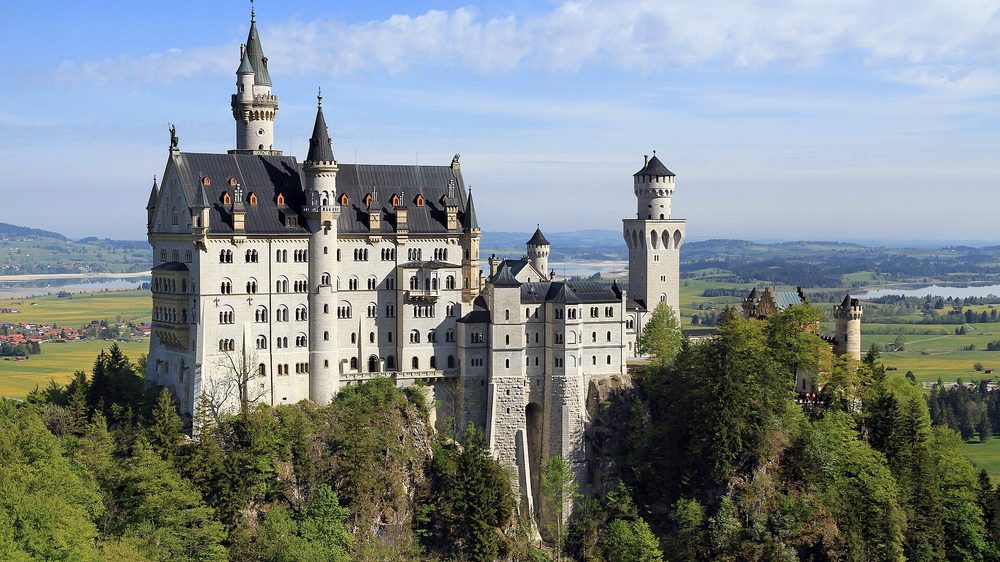
For Munich, the castles like Neuschwanstein and the alpine lakes, late May to September gives the warmest, clearest conditions. September adds Oktoberfest. For skiing, come December to March. The Alps are wetter and cooler than the rest of the country year-round, so build in flexibility for rain in summer.
The Rhine and Mosel valleys
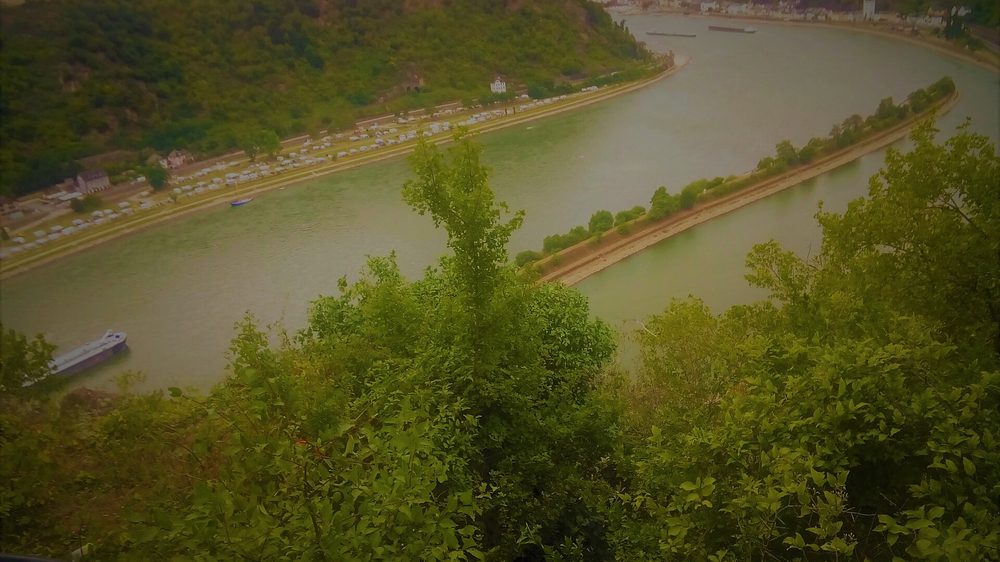
The river valleys are at their best from May to October. Spring brings green hillsides, late summer and early autumn bring the wine harvest and festivals, and the river cruise season runs roughly April to October. The Rhine gorge is sheltered, so it tends to be a touch milder than the surrounding regions.
Berlin and the cities
Berlin, Hamburg, Cologne and Dresden work year-round. May, June and September are the sweet spots for mild weather and manageable crowds. December is strong for markets and indoor culture. Winter city breaks are cheap if you can handle short, grey days.
The Black Forest
Late spring through autumn suits the Black Forest, with May to June for green hiking trails and October for foliage. Winter brings snow and a few small ski areas, plus quiet, atmospheric villages.
The Baltic and North Sea coast
The northern coast is a summer destination. July and August are the only months warm enough for the beach, and the resorts on Rügen, Usedom and Sylt are busiest then. Outside summer the coast is windswept and quiet, good for off-season walks but cold.
Prices and crowds through the year
The pattern is straightforward. July and August are the most expensive and most crowded months, followed by December for the Christmas markets. The cheapest windows are January through March (excluding ski resorts) and early November. Shoulder months, April, May, September and October, give you the best balance: lower prices than peak summer, decent weather and lighter crowds.
If your dates are flexible, traveling midweek and avoiding German school holidays makes a real difference to both cost and queues. Car rental rates in particular spike around summer and major holidays, so booking early in those windows pays off.
Best season for an Autobahn road trip
The best time for a German road trip is May to early October. You get long daylight, open Alpine passes, dry roads and the full run of scenic routes like the Romantic Road, the Black Forest High Road and the Alpine Road all accessible. Late spring and early autumn are the standouts because the scenery is at its best and traffic is lighter than midsummer.
Avoid deep winter for a touring trip unless you are specifically heading to the Alps for snow. Snow and ice close mountain passes, daylight is short, and some scenic roads shut entirely. If you do drive in winter, German law requires winter tyres in wintry conditions, and many rental cars in the south are fitted with them as standard.
For the famous derestricted stretches of Autobahn, conditions matter more than season, but clear, dry summer and early autumn days are when you will get the cleanest run. Whatever the month, plan your route around daylight and weather rather than just the calendar, and Germany rewards the trip in almost any season.