
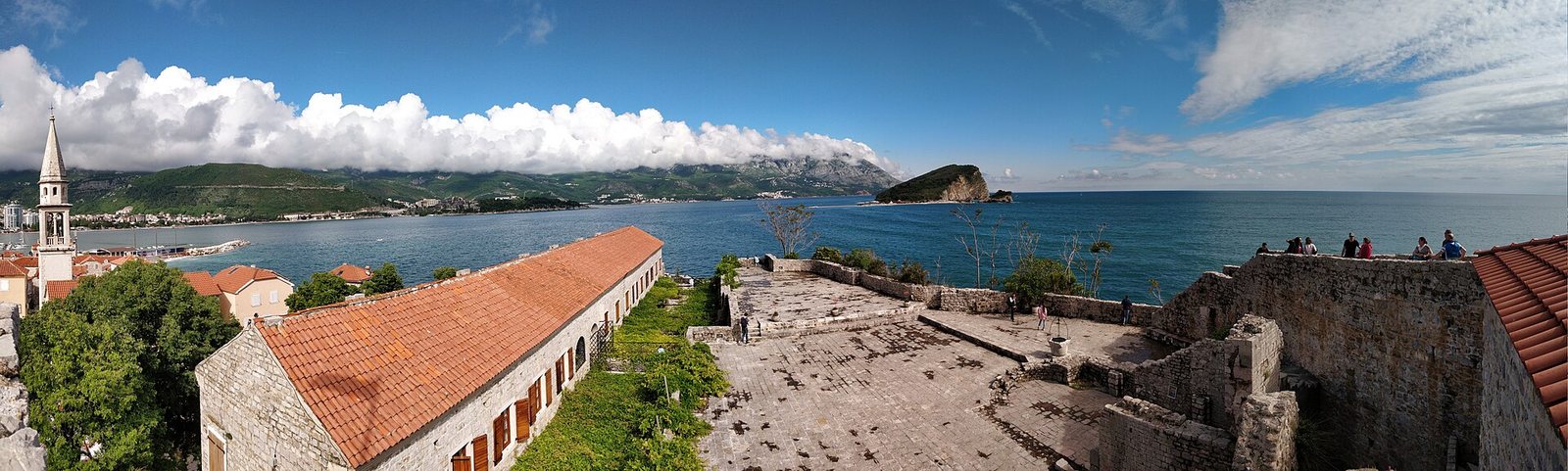
The best time to visit Montenegro is May to June and September: warm sunny days, a sea you can swim in, and far fewer people than the July to August crush. Those shoulder months hit the sweet spot where the coast is open and lively but hotel rates and traffic have not peaked. That said, the right month depends on what you came for. A beach holiday, a rafting trip on the Tara, a road trip around Kotor Bay, and a ski weekend in the mountains each have their own calendar. This guide walks through Montenegro month by month, with real coastal temperatures and sea readings, so you can match your trip to the weather instead of guessing.
If you plan to move around at all, sort out a car early. Public transport links the main coastal towns but thins out fast once you head inland, and the best bits of this country sit between the bus stops. It is worth comparing prices to rent a car in Budva before peak season, when the cheaper categories sell out first.
When is the best time to visit Montenegro?
The best time to visit Montenegro is May, June and September. You get coastal highs around 23 to 27 C, a sea warm enough to swim in by late spring, long daylight hours, and noticeably smaller crowds than the July to August peak. Prices sit below summer rates too. For skiing, plan for January and February in the northern mountains.
Montenegro weather month by month
The coast and the mountains are two different climates packed into one small country. Budva and Kotor have hot dry summers and mild wet winters, classic Mediterranean. Drive ninety minutes north to Zabljak or Kolasin and you are in alpine territory, with snow on the ground for months. The table below uses coastal figures, since that is where most visitors start.
| Month | Coast weather (high C) | Sea (C) | Good for |
|---|---|---|---|
| January | 12 | 14 | Skiing, mild city breaks, low prices |
| February | 13 | 13 | Skiing, quiet Kotor, carnival in Kotor |
| March | 15 | 14 | Early spring greenery, hiking, fewer tourists |
| April | 18 | 15 | Rafting starts, blossom, sightseeing |
| May | 23 | 18 | First swims, rafting, road trips, low crowds |
| June | 27 | 22 | Beaches, warm sea, long days before the peak |
| July | 30 | 24 | Peak beach season, Budva nightlife, festivals |
| August | 30 | 25 | Warmest sea, busiest and priciest |
| September | 27 | 24 | Warm sea, quieter beaches, ideal road trips |
| October | 22 | 21 | Late swims, wine, hiking, soft light |
| November | 16 | 18 | Quiet coast, low prices, some closures |
| December | 13 | 15 | Mild coast, early ski season up north |
These are typical averages. A May afternoon in Podgorica, the inland capital, often runs several degrees hotter than the coast, while Zabljak can still see frost.
Spring in Montenegro (March to May)
Spring is when the country turns green and the crowds have not arrived yet. March is still cool and changeable on the coast, but the hills are lush and the national parks are quiet. By April the rafting season opens on the Tara River, the deepest canyon in Europe, and the water runs high from snowmelt. This is the most dramatic time to raft, with strong currents and cold, clear water.
May is the month I would point most people toward. Coastal highs sit in the low 20s, the sea creeps past 18 C so the brave can swim, wildflowers cover the Lovcen and Durmitor slopes, and beach towns reopen without the summer prices. Hiking is comfortable, the light is good for photos, and you can book a table or a room without much planning. The one catch is that the sea is still on the cool side early in the month, so spring suits sightseers and active travelers more than dedicated sunbathers.
Spring is also when driving is at its best. The mountain passes are clear of snow by late April, the roads are dry, and you are not stuck behind a line of campervans. If you want to drive the famous Kotor serpentine up to Lovcen without summer traffic, May is the window.
Summer peak (June to August)
Summer is hot, busy and loud, and for a lot of visitors that is the whole point. June is the gentle start: highs around 27 C, a sea finally warm at 22 C, and the beaches filling but not yet jammed. It keeps the warmth of high summer without the worst of the crowds, which is why June ranks alongside September as a favorite.
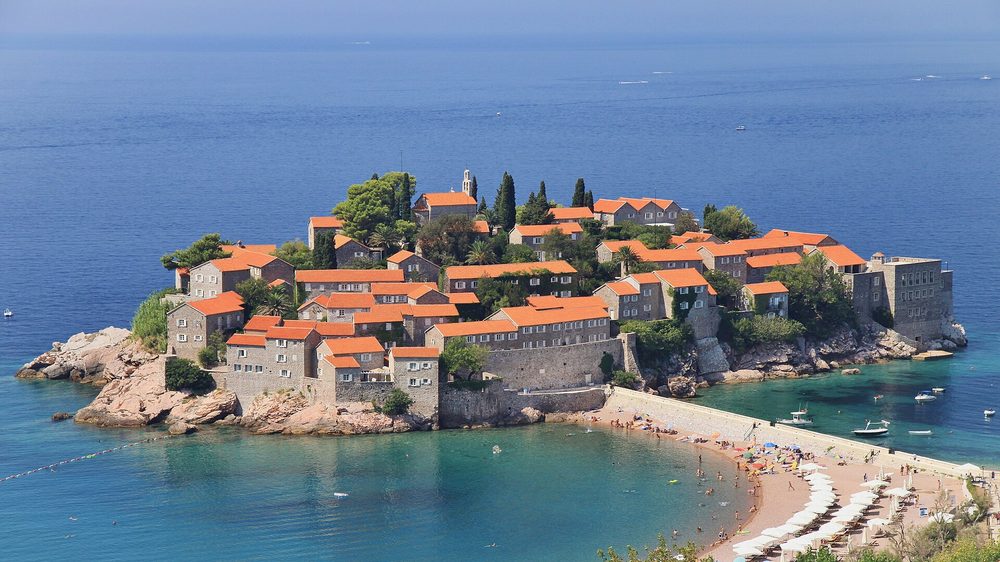
July and August are the real peak. Coastal highs sit around 30 C, the Adriatic reaches 24 to 25 C and feels like a bath, and the resort towns run at full tilt. Budva is the engine of the party scene, with beach clubs, open-air concerts and a nightlife strip that does not quit until dawn. Sveti Stefan, Becici and the Budva Riviera beaches get crowded by mid-morning, so early starts pay off. Inland, the mountains offer an escape: Durmitor and the Black Lake stay cool and green while the coast bakes.
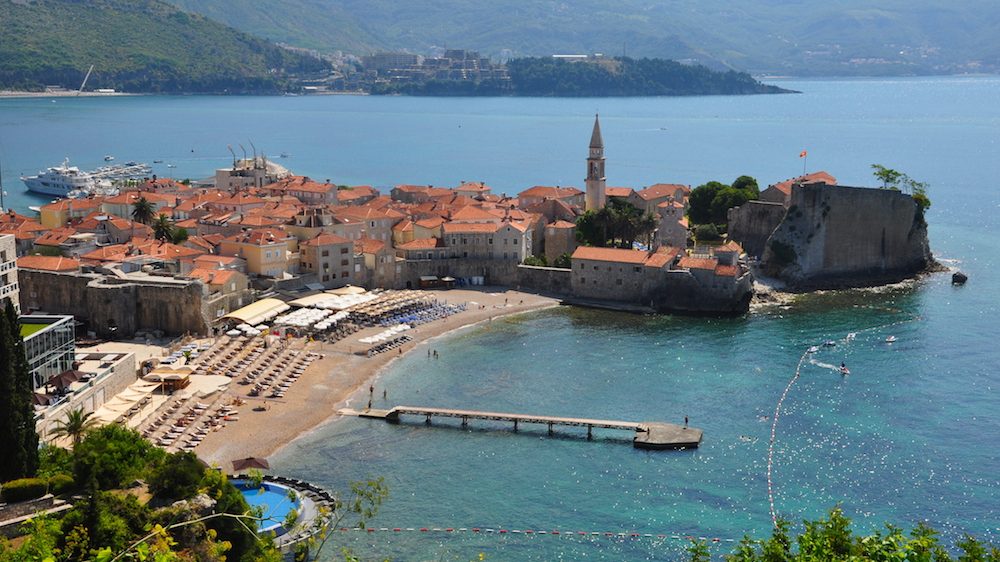
The trade-offs in peak season are real. Prices for hotels and car hire hit their high, the coastal road clogs, and parking in Kotor or Budva old town can eat half an hour. If you visit in July or August, book accommodation and a rental car weeks ahead, and plan to do your driving early or late in the day. Read up on driving in Montenegro tips before you go, because summer traffic on the single coastal highway tests everyone’s patience.
Autumn in Montenegro (September to November)
September is the quiet hero of the Montenegrin calendar. The sea is still 24 C, warmer than it was in June, because the Adriatic holds the summer heat. Air temperatures ease to a comfortable 27 C, the crowds thin out once the schools go back, and prices start sliding down. You get summer swimming with shoulder-season space, which is hard to beat. For a beach-and-road-trip combo, mid to late September is arguably the single best stretch of the year.
October keeps a lot of that going. Highs around 22 C, a sea still at 21 C for late swims, and the inland landscapes turning gold. It is a strong month for hiking in Durmitor and Biogradska Gora, for wine in the Crmnica region near Lake Skadar, and for unhurried sightseeing in Kotor without the cruise-ship rush. Rain becomes more frequent as the month goes on.
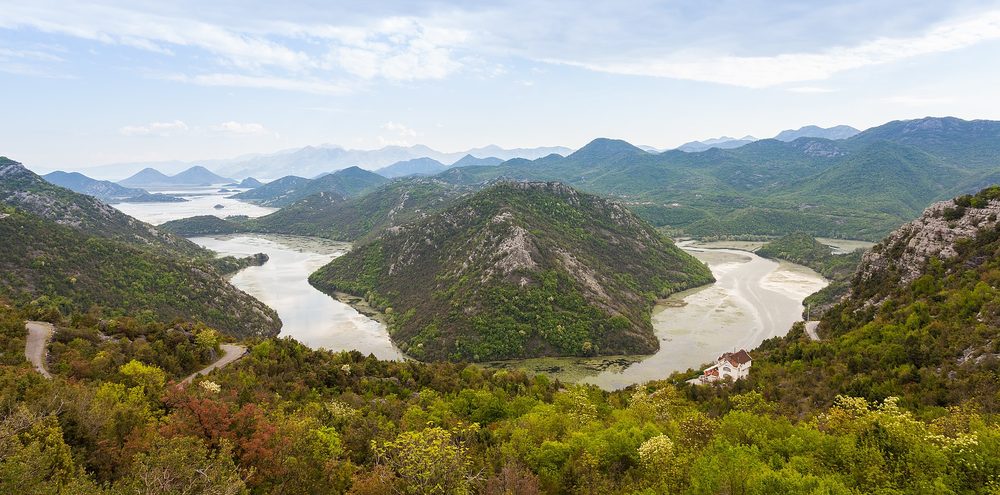
November is properly low season on the coast. The weather is mild but wetter, many beach restaurants and some hotels close, and towns feel sleepy. The upside is rock-bottom prices and near-empty sights. If you want Kotor and Perast almost to yourself and do not need to swim, late autumn delivers.
Winter on the coast and in the mountains
Winter splits the country in two. On the coast, it stays mild and green, with highs around 12 to 13 C and rarely any snow. Kotor, Budva and Herceg Novi keep a low hum of life through the cold months, and the Kotor winter carnival in February is a genuine local event rather than a tourist show. Coastal winter travel is cheap, calm and good for culture-focused trips, as long as you accept rain and short days.
Head north and it is a full ski season. Kolasin 1600 and Kolasin 1450 are the most developed resorts, an easy drive from Podgorica, with reliable snow from December through March. Zabljak, beside Durmitor National Park, is higher and colder, better suited to ski touring, snowshoeing and serious winter scenery than to big lift systems. Snow on the ground usually runs from late December into March, with the best conditions in January and February. If you are chasing powder, that is your window.
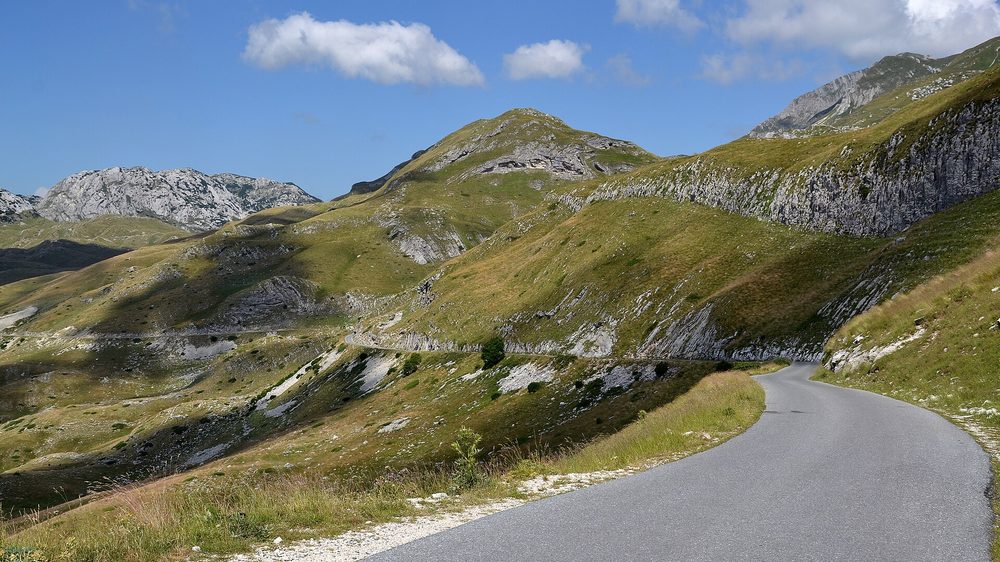
The catch in winter is the drive between coast and mountains. The passes can get snow and ice, so you want a capable car and winter tires, which Montenegrin law requires in snowy conditions from mid-November to the end of March. A small economy car is fine for the coast but underpowered for the climb to Zabljak in January.
Swimming season in Montenegro
If swimming is the priority, aim for June to early October. The Adriatic warms slowly: it is around 18 C in May, which only the hardy enjoy, climbs to a pleasant 22 C in June, and peaks near 25 C in August. The water then stays warm well into autumn, holding 24 C in September and a still-swimmable 21 C in October. The southern beaches around Ulcinj, with their long sandy stretches and shallower water, tend to feel a touch warmer and are a good bet at the edges of the season.
For the best mix of warm sea and manageable crowds, June and September win. August has the warmest water but the most people. May and October are for swimmers who do not mind a brisk first plunge.
Coast versus mountains: how the timing differs
One of the quirks of Montenegro is that the ideal month flips depending on where you go.
The coast: Kotor and Budva
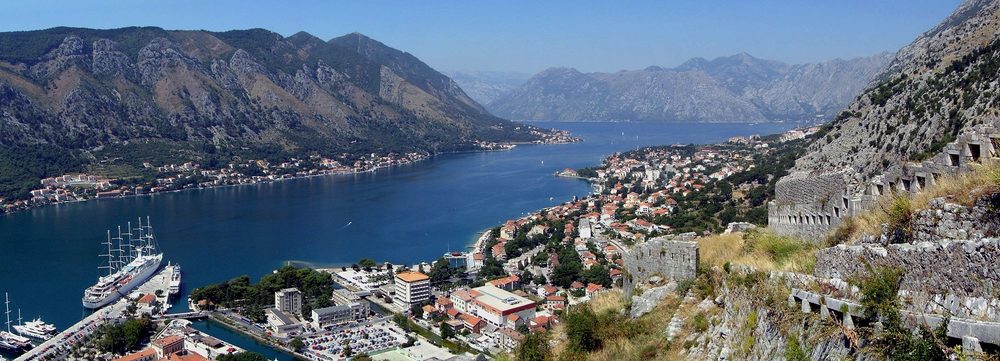
Kotor Bay and the Budva Riviera follow the Mediterranean pattern. Best months are May, June, September and early October for a balance of warmth, swimmable sea and space. July and August are peak for beaches and nightlife but crowded and pricey. Kotor old town is at its most pleasant outside the midday cruise-ship hours, so spring and autumn suit it well.
The mountains: Durmitor and the north
Durmitor, Zabljak and the Tara Canyon run on a different schedule. Summer, June to September, is prime hiking and rafting season, with mild days and cool nights at altitude. The high trails and the Black Lake are only reliably snow-free from late June. Winter, December to March, switches the north over to skiing. Spring and late autumn can be muddy and changeable up high, so the mountains have a shorter sweet spot than the coast.
This split is exactly why a car makes Montenegro click. In a single week you can swim in Kotor Bay in the morning and stand in an alpine meadow by afternoon, but only if you can drive between the two. Something like a compact SUV handles both worlds well, which is why a Dacia Duster in Budva is a popular pick for travelers who want the coast and the mountains in one trip.
Best time to drive the Kotor Bay and beyond
For a road trip, the prize months are May, June, September and early October. The weather is dry and warm, the daylight is long, and the roads are clear of both snow and the worst summer traffic. The drive around Kotor Bay, hugging the water through Perast, Risan and Kotor, is stunning in soft shoulder-season light, and you can actually stop at the viewpoints without fighting for a parking spot.
The Lovcen serpentine, the switchback road climbing from Kotor up to the national park, is the signature drive of the country. It is narrow, steep and busy in July and August, when tour vans and rentals queue at the hairpins. In late spring or early autumn it is far calmer and the views over the bay are at their clearest. The same logic applies to the inland route up to Durmitor over the Sedlo pass: spectacular in summer, but quieter and just as scenic in June or September.
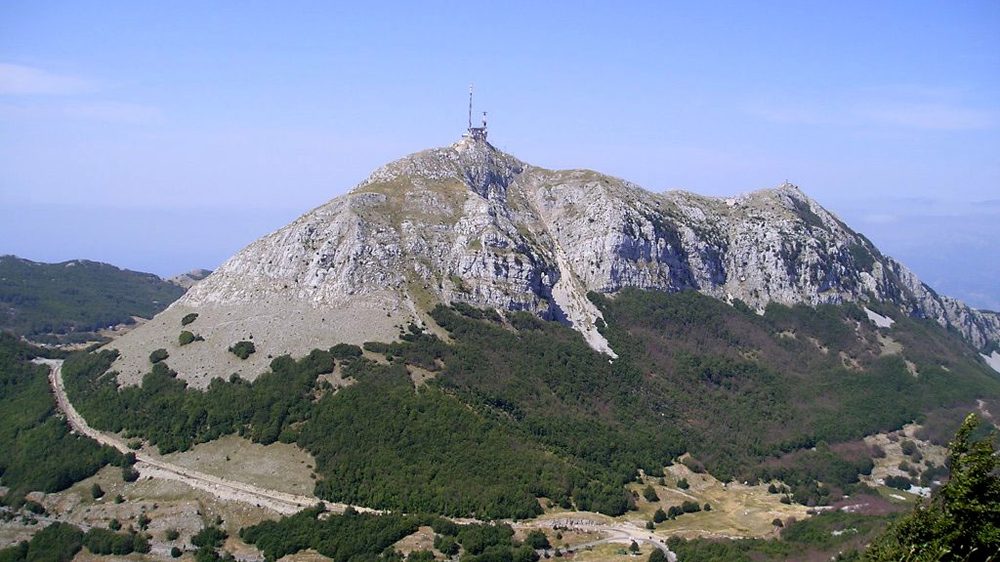
Avoid the deep-winter mountain drives unless you are confident on snow. The coast stays drivable year round, but the passes to Zabljak and Kolasin demand winter tires and care from December to March. For most road-trippers, picking a shoulder-season month is the easiest way to get the best scenery, the best weather and the least stress behind the wheel.
So, when should you go?
Pick May, June or September for the all-rounder trip: warm enough to swim, quiet enough to enjoy, and ideal for driving the coast and the mountains. Go in July or August if you want peak beach heat and Budva nightlife and do not mind the crowds and prices. Choose April or October for active travel and sightseeing without the heat, and head north in January or February if you came to ski. Match the month to the trip and Montenegro rewards you in any season.