
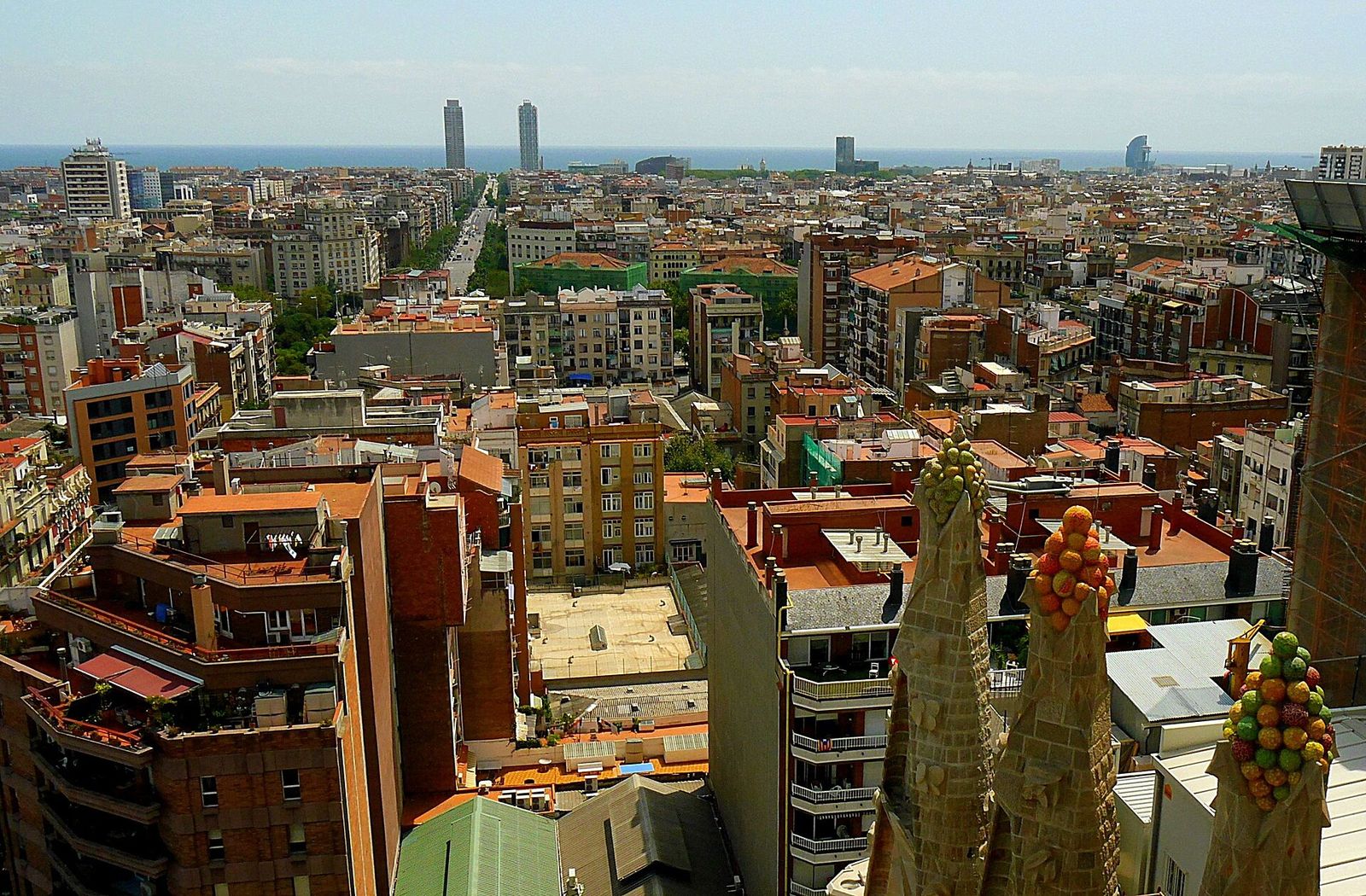
The best time to visit Spain for most travellers is May to June and September: warm but not brutal, beaches open, prices below the July and August peak, and festivals worth planning a trip around. That said, “Spain” covers a lot of ground. The Costa del Sol in February feels nothing like Galicia in February, and the Canary Islands run on their own calendar entirely. So the honest answer depends on where you are going and what you want to do there. This guide breaks it down by region and by season so you can match the month to the trip, and if you plan to move between regions, it is hard to beat the freedom of being able to rent a car in Spain and drive the coast or the inland routes at your own pace.
When is the best time to visit Spain?
The best time to visit Spain is late spring (May and June) and early autumn (September). You get warm days, sea temperatures that are still swimmable, long daylight, and lighter crowds than midsummer. July and August are hottest and busiest, especially inland, while winter is mild in the south and the Canaries but cold in Madrid and the north.

Spain by region: a quick reference table
Spain has several climate zones rather than one. A region table is more useful than a single national verdict, because the “best month” shifts as you move from the Mediterranean to the Atlantic north to the subtropical islands.
| Region | Best months | Avoid | Notes |
|---|---|---|---|
| Mediterranean coast (Barcelona, Costa Brava) | May, June, September | Mid-July to mid-August (crowds, heat) | Sea warm into October; city plus beach combo works well in shoulder season |
| The south (Andalusia, Costa del Sol) | April, May, October | July, August inland | Coast stays mild even in winter; inland cities like Seville and Cordoba bake in summer |
| Madrid and the centre | May, June, September, October | August (hot and half-shut) | Continental climate: cold winters, hot dry summers, pleasant in shoulder months |
| The north (Basque Country, Galicia) | June to September | November to March (rain) | Green and Atlantic; summer is the reliable window, winters are wet not freezing |
| Canary Islands | Year-round, best October to April | Nothing major | Spring-like all year; the winter-sun option when the mainland turns cold |
Use this as the frame, then read the season notes below for the detail that actually changes how a trip feels.
Spring in Spain (April to June)
Spring is the strongest all-round season. By April the south is properly warm, the inland cities are comfortable for walking, and the countryside is green before the summer dries it out. May and June push that further: long days, mild evenings, and a sea that is starting to warm up on the Mediterranean side.
This is also festival season. Seville’s Feria de Abril fills the city with flamenco dresses, horses and casetas about two weeks after Easter. Cordoba’s patio festival in May opens private flower-filled courtyards to the public. Valencia runs Las Fallas in March, with enormous papier-mache figures burned in the streets on the final night. If a festival is your reason for going, book accommodation early, because the host city sells out and prices jump.
Semana Santa (Holy Week) falls in late March or April depending on the year, and it is a major event across the country, most intensely in Seville, Malaga and Castile. Processions take over city centres for a week. It is spectacular to witness, but it also means crowds, road closures and full hotels, so go for it deliberately rather than by accident.
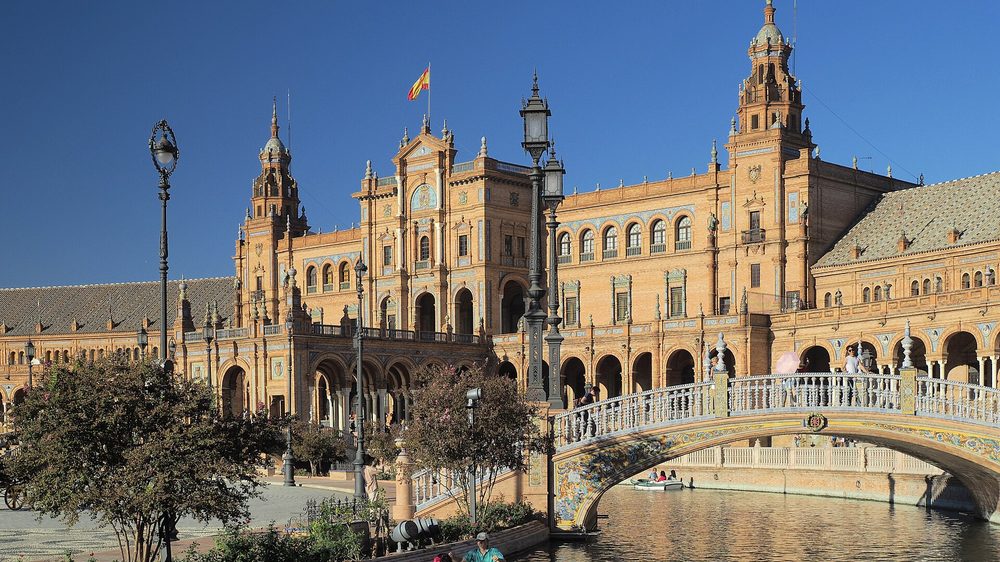
For sightseeing in the big inland cities, spring is close to ideal. Madrid in May is made for walking the Retiro and the Prado without the August furnace. Barcelona in June gives you the city and the first beach days in one trip. Andalusia is at its best in April and May, when the orange blossom is out in Seville and Cordoba and the hills are still green before they turn dry and gold. Daytime temperatures sit in a range that suits walking all day, and the evenings are warm enough to eat outside without a jacket. The one thing to watch is rain: spring can throw the odd wet spell, more so in the north, so a light waterproof is worth packing even when the forecast looks settled.

Summer in Spain (July to August)
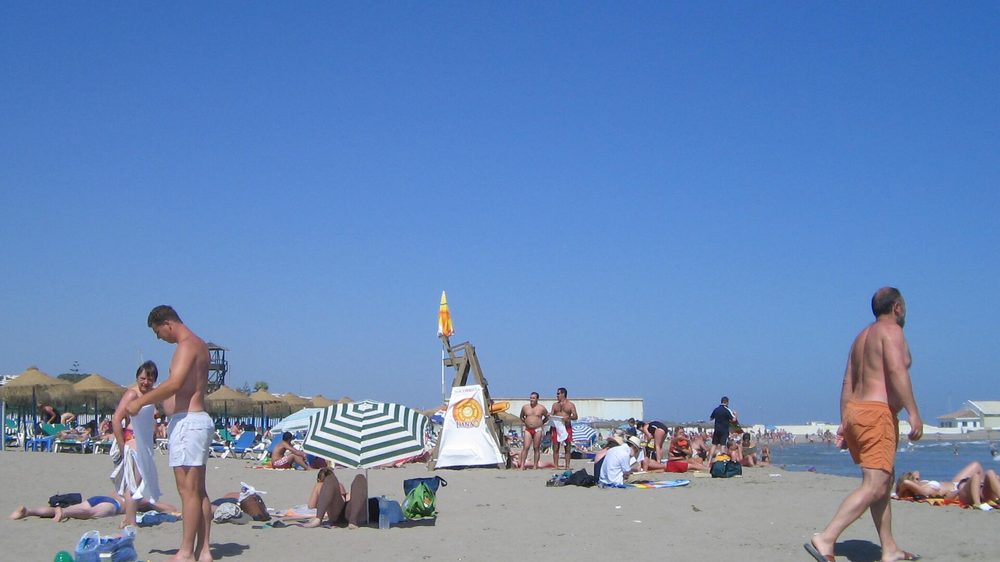
Summer is peak season, and it splits sharply by geography. On the coast it is beach weather at its most reliable, which is exactly why everyone goes. The Costa Brava, the Costa del Sol and the islands fill with Spanish and northern European holidaymakers, prices climb, and popular spots get busy. If your trip is purely about the beach and you do not mind crowds, the weather will not let you down.
Inland is the catch. Madrid, Seville, Cordoba and the interior regularly pass 40C in July and August. Seville and Cordoba are among the hottest cities in Europe in high summer. Sightseeing at midday becomes unpleasant, and many locals leave the cities or shut up shop in August. If you do visit inland in summer, plan around the heat: early starts, a long break in the hottest hours, and evenings out once it cools.
Summer is also when the headline festivals land. San Fermin in Pamplona runs the famous bull running in early July. La Tomatina, the tomato-throwing fight near Valencia, happens on the last Wednesday of August. Both draw big crowds and need planning if you want to be there.
The north is the smart summer move. The Basque Country and Galicia are green, Atlantic and far cooler than the south, with San Sebastian, Bilbao and the Galician coast staying comfortable when Madrid is sweltering. This is also the one time of year the north is reliably dry, so July and August are the months to plan an Atlantic trip even though they are peak everywhere else. Malaga and the southern coast stay hot but the sea breeze helps near the water, and the beaches and chiringuitos are at full tilt. So summer is not off-limits, you just want to be on a coast or in the north rather than stuck in an inland city at midday.
Autumn in Spain (September to November)
September is the quiet winner. The summer crowds thin out after the first week, but the weather holds: warm days, comfortable evenings, and a Mediterranean sea that is at its warmest of the year after a full summer of heating. You can still swim well into October on the southern and eastern coasts. Prices ease back from the August peak too.
Autumn is harvest time, which adds a reason to travel. La Rioja and other wine regions run their grape harvest and related festivals around late September. The countryside shifts colour, the food leans into mushrooms, game and new wine, and the inland cities become pleasant again as the heat breaks.
By late October and into November the north and centre cool down and rain returns, especially in Galicia and the Basque Country. The south and the coast stay mild longer. November is shoulder-to-low season: cheaper, quieter, and still fine in Andalusia, though daylight is shorter and you should pack for cooler evenings.
Winter in Spain (December to February)
Winter is where Spain’s regional split is widest. Madrid and the central plateau get genuinely cold, with frosty mornings and the odd snow. Northern cities are cool and wet. None of this is Scandinavian cold, but it is not beach weather either.
The south is the mainland’s winter refuge. The Costa del Sol, Malaga and much of Andalusia stay mild, often pleasant in the sun by day, which is why the area draws long-stay winter visitors. It will not be swimming weather, but it is comfortable for sightseeing, golf and the white villages without summer crowds.
The Canary Islands are the real winter-sun answer. Sitting off the African coast, they stay spring-like year round, with daytime temperatures that make a December beach trip realistic. For many people this is the only part of Spain worth flying to in deep winter for warmth.
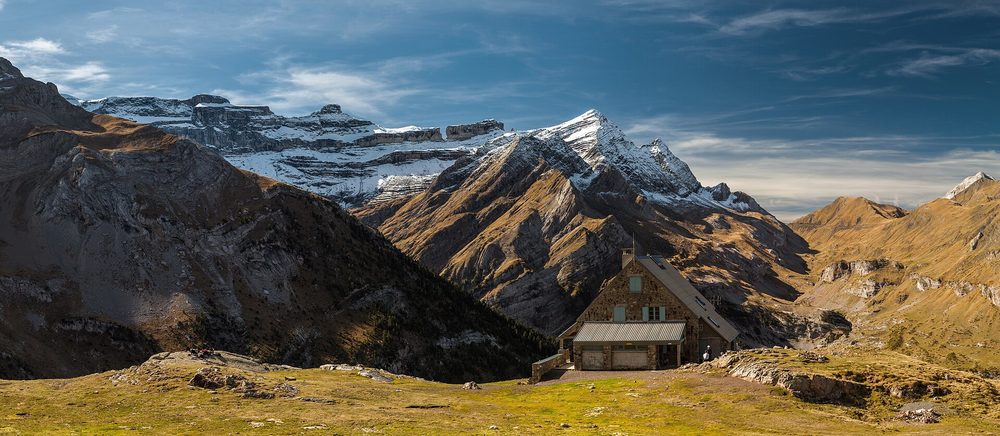
And then there is snow on purpose. The Sierra Nevada above Granada runs a full ski season, and you can ski in the morning and be near the coast the same day. The Pyrenees in the north have their own resorts.
Crowds and prices through the year
Roughly, the calendar runs in three bands. July and August are the busiest and priciest, driven by the domestic holiday and the European summer. The shoulder seasons, April to June and September to October, give you the best balance of good weather, manageable crowds and fairer prices, which is why they top this guide. November to March is the cheapest stretch on the mainland, mild in the south, quieter everywhere, and the time to go if budget matters more than guaranteed warmth.
Two things break the pattern. Festival weeks spike local prices and availability hard, so Semana Santa in Seville or Las Fallas in Valencia will cost more and sell out regardless of season. And the Canaries flip the logic, with their high season in winter when the rest of Europe wants sun.
Best time for a Spain road trip
For a road trip, the answer narrows. May, June, September and early October are the best months to drive Spain. The weather is reliable without the August heat, the inland routes through Andalusia’s white villages and the central plateau are comfortable rather than scorching, and coastal roads are busy but not jammed. You also get long daylight for driving and the sea is warm enough to make beach stops worthwhile.
Avoid the inland heat of high summer if your route runs through the interior, and be aware that August traffic peaks on coastal roads and around the islands. Winter road trips work well in the south and along the Mediterranean, where conditions stay mild, but mountain routes in the centre and north can bring snow and closures, so check before you set off.
A car earns its keep most when you are linking places that trains and buses serve poorly: the Costa Brava coves, the pueblos blancos of Andalusia, the wine country of La Rioja, the Picos de Europa in the north. For a single city you usually do not need one, but for a multi-stop trip it is the difference between seeing the famous square and seeing the country around it. If you are weighing it up, the practical side, who can drive and what to bring, is covered in our guide to renting a car in Spain: requirements.
So when should you go?
If you want one recommendation, go in May, June or September and you will rarely regret it anywhere in the country. Choose the south or the Canaries for winter warmth, the north for summer without the heat, and the shoulder seasons for a road trip that mixes cities, coast and inland villages. Spain rewards matching the month to the map, and once you do, the rest of the trip tends to fall into place.