
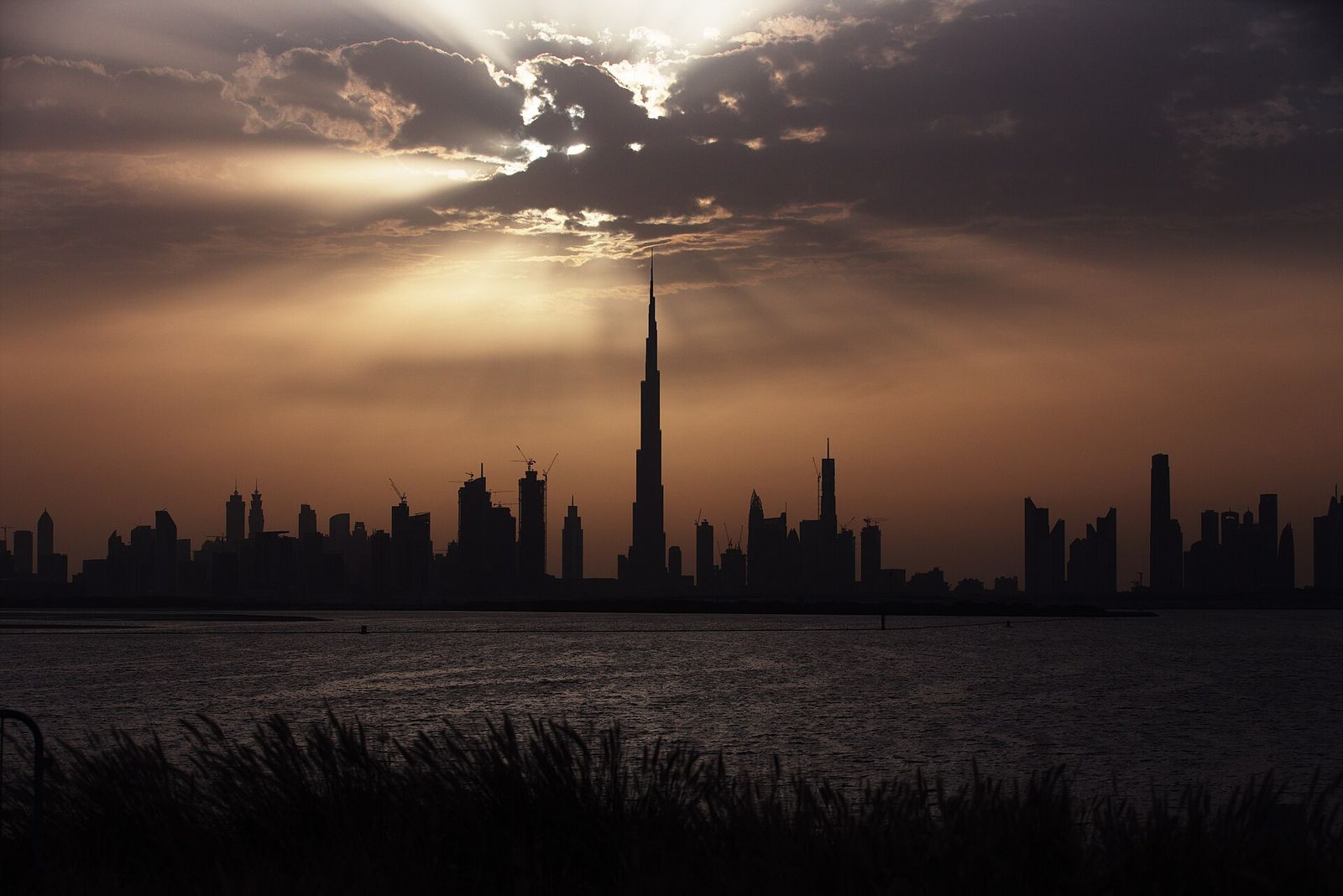
Driving in Dubai as a tourist is straightforward, and most visitors find it easier than they expected. The roads are wide and well signposted in English and Arabic, fuel is cheap, and a rented car opens up the city and the desert in a way taxis never quite manage. There are a few local rules you need to know first, mainly around licences, the Salik toll system, and how seriously the police treat speeding. Get those right and you will spend your trip enjoying the drive rather than worrying about it.
If you are still deciding whether to pick up a set of keys at all, the short version is that it usually pays off the moment you want to leave the central districts. Below is everything a first-time visitor needs, from paperwork to the best day trips, written from the perspective of someone who drives these roads regularly. When you are ready to compare options, you can rent a car in Dubai across everything from a small hatchback to a full-size SUV.
Can tourists drive in Dubai?
Yes. Tourists can legally drive in Dubai on their national driving licence together with an International Driving Permit (IDP). Visitors from GCC countries and many European nations can drive on their home licence alone. The rules depend on your nationality, so it is worth confirming what you need before you arrive rather than at the rental desk.
Licence and International Driving Permit rules
The single most common question is about paperwork, so let us settle it. As a short-term visitor you drive on the licence from your home country, and in most cases you also carry an International Driving Permit. The IDP is just an official translation of your existing licence into several languages, and you get it from the issuing authority back home before you travel, usually for a small fee.
There are exceptions that make life simpler. Drivers from the other GCC states (Saudi Arabia, Qatar, Kuwait, Oman, Bahrain) drive on their national licence. So do many holders of European, UK, US, Canadian, and Australian licences, who are often accepted without an IDP at all. The list is updated from time to time, so do not assume. If you hold a residence visa rather than a tourist visa, the situation changes and you will generally need a UAE licence instead.
A few practical points the brochures skip:
- Bring the physical licence, not just a photo on your phone.
- The name on your licence, IDP, and credit card should match.
- Rental companies set their own age and experience floors on top of the legal minimum.
Minimum age to rent a car
The legal minimum age to drive in the UAE is 18, but rental rules are stricter. Most companies rent economy and mid-size cars from age 21, and a few hold the line at 25. Premium, luxury, and sports cars almost always require you to be 25 and to have held a licence for a couple of years. Younger drivers can sometimes rent with a young-driver surcharge. If you are travelling in your early twenties and want something specific, ask before you book so there are no surprises at pickup.
Salik tolls explained
Dubai uses an automatic toll system called Salik, and there is no booth to stop at. Each toll gate sits over the road and reads the car as you pass underneath at full speed. Every crossing costs around 4 to 6 AED depending on the time of day, and the charge is logged against the vehicle.
For a rental, this matters because the tolls are billed to you, the driver. Your rental company either deducts the accumulated Salik charges from your deposit at the end, or adds them to your final invoice, sometimes with a small administrative fee per crossing. You do not buy a tag or top up anything yourself on a short rental. The gates sit on the busiest routes, so on Sheikh Zayed Road you may pass through several in a single trip. None of it is expensive, but it adds up quietly, so keep it in mind when you compare a rental to a string of taxi fares.
Speed limits, radar and fines
This is the part to take seriously. Dubai roads are policed by an extensive radar network, and fines are issued automatically and without warning. Speed limits are posted clearly: typically 60 to 80 km/h on city roads, 100 to 110 km/h on major arteries, and up to 120 km/h on some highways, with the limit shown on overhead gantries.
A long-standing buffer of a few km/h over the posted limit used to exist on some roads, but you should never rely on it. Cameras catch speeding, lane discipline, tailgating, and running amber lights. Penalties range from a few hundred dirhams to several thousand for serious offences, and the worst ones add black points to the licence and can mean the car is impounded. As a renter, every fine eventually finds its way back to you through the rental company, usually with a handling charge attached. The simple rule: watch the gantry signs, because the limit changes often, and do not assume the flow of traffic is legal.
Other things the police enforce strictly:
- Seatbelts for everyone in the car, front and back.
- No phone in your hand while driving.
- A zero-tolerance approach to alcohol. Do not drive after any drinking at all.
Parking in Dubai
Parking is managed by the RTA in paid zones across the city, marked by colour-coded signs and orange or blue meters. You pay by the hour, either at the machine or through the RTA parking app, and rates vary by zone and time. Many areas are free on Sundays and public holidays, and overnight in residential zones, but read the sign because the rules differ street to street.
The easiest option in the busy districts is the malls. The Dubai Mall, Mall of the Emirates, and most large centres offer free parking for the first few hours, and valet is available almost everywhere for a flat fee if you would rather not hunt for a space. Hotels usually include parking or valet for guests. Avoid parking on sandy verges or anywhere unmarked, as fines and towing do happen.
Fuel and running costs
Fuel is one of the genuine pleasures of driving here. Petrol is cheap by European standards, prices are set monthly, and stations are everywhere and almost always attended, so someone fills the tank for you. Tipping a couple of dirhams is normal but not required.
Check your rental’s fuel policy. The fair one is full-to-full: you collect the car with a full tank and return it full. It is cheaper than letting the company refuel for you, and a station is never far from the drop-off point. Keep the receipt from your last fill in case anyone queries the level.
The main roads you will use
A couple of arteries carry most of the traffic, and learning their names makes navigation far easier. Sheikh Zayed Road (the E11) is the spine of the city, the multi-lane highway lined with skyscrapers that runs the length of Dubai and on toward Abu Dhabi. It is fast and busy, and lane discipline matters because exits come quickly.
Running parallel inland is Al Khail Road (E44), which is often quicker for crossing the city because it carries less of the tourist and commuter crush. Emirates Road (E611) sits further out and is the route to use when you are heading to the outer suburbs or skipping the centre entirely. Your navigation app handles the detail, but knowing these three names helps you understand the directions a local gives you.
Driving culture and tips
Driving in Dubai is fast and confident. Traffic moves quickly, drivers expect you to keep up in the outer lanes, and the left lane on a highway is for overtaking only, so move right once you have passed. Flashing headlights from behind means someone wants that lane, not a friendly hello. Stay calm, keep right when you are cruising, and indicate early.
Rush hours, roughly 7 to 9 in the morning and 5 to 8 in the evening, clog the main routes badly, so plan around them if you can. Roundabouts are common in the older districts and you give way to traffic already on them. During the hotter months keep water in the car and never leave anyone, or a pet, inside a parked vehicle even for a minute, because the heat is no joke. With a bit of attention the experience is smooth, and far less chaotic than its reputation suggests.
Best drives and day trips
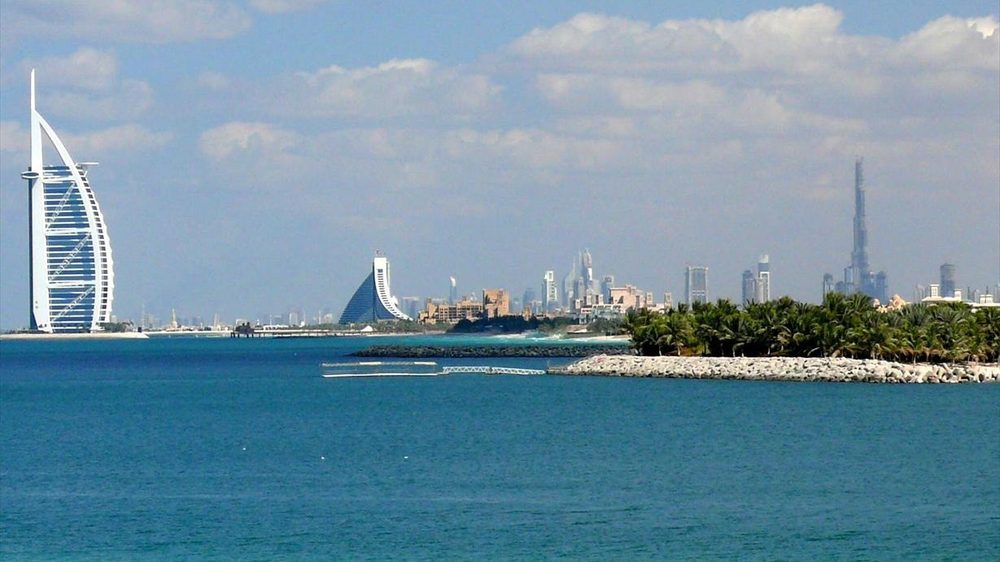
This is where renting really earns its keep. A few of the trips worth your time:
- Abu Dhabi. The capital is about 90 minutes down the E11 with no border or inter-emirate restriction. The Sheikh Zayed Grand Mosque and the corniche make an easy day out. You can also explore Abu Dhabi over a longer stay.
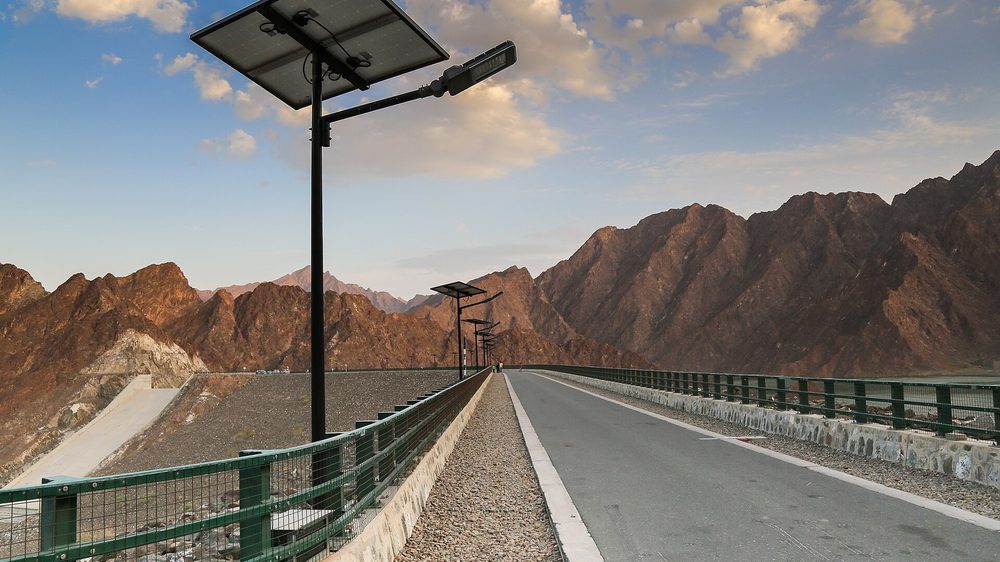
- Hatta. A mountain enclave around 90 minutes east, with a dam, kayaking on the turquoise reservoir, and cooler air. The drive itself, climbing through the Hajar mountains, is the highlight.
- Al Qudra. Out past the southern edge of the city, this is the spot for the Love Lakes, flat desert cycling tracks, and big open skies at sunset. A normal car reaches the car parks fine.
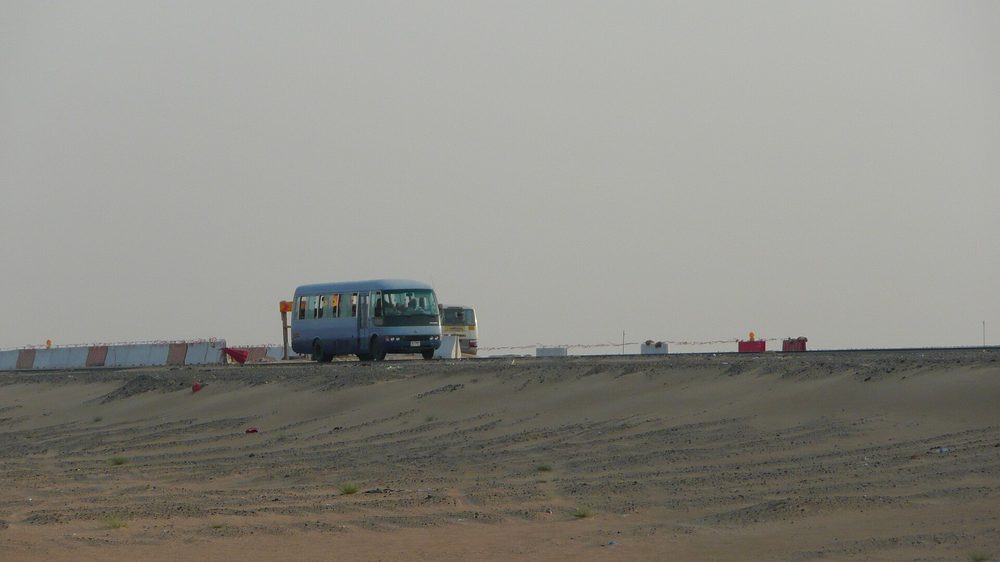
- The desert. For dune driving you want a proper 4x4 and some experience, or better, a guided tour. A capable SUV such as the Toyota Land Cruiser handles the graded desert roads and the school runs with equal ease, which is why it is such a popular rental here.
Stick to graded tracks unless you genuinely know how to drive on sand, because getting stuck in soft dunes alone is a long, hot afternoon.
Renting basics before you go
A few last things to expect at the desk. You will need your licence, IDP where required, passport, and a credit card in the driver’s name. The company places a refundable deposit hold on that card, usually a few hundred to a few thousand dirhams depending on the car, released after return once tolls and fines are settled.
Basic insurance is normally included, but it comes with an excess, the amount you pay before cover kicks in. Reducing or removing that excess costs extra and is worth considering, especially in fast traffic you are not used to. Photograph the car from every angle at pickup, note any existing scratches on the form, and check the fuel level. Do that, drive within the limits, and Dubai is one of the more rewarding places anywhere to get behind the wheel.