
Driving in Germany as a tourist is straightforward, well signposted and faster than most countries you have driven in, with smooth motorways, strict but logical rules, and a famous Autobahn where parts of the network carry no fixed speed limit. The roads are in excellent condition, lane discipline is taken seriously, and the main things a visitor needs to sort out are the right licence, a green emissions sticker for city centres, and a feel for how Germans actually use the fast lane. Get those three right and the rest is easy. Most travellers find it less stressful than driving at home once the rhythm clicks.
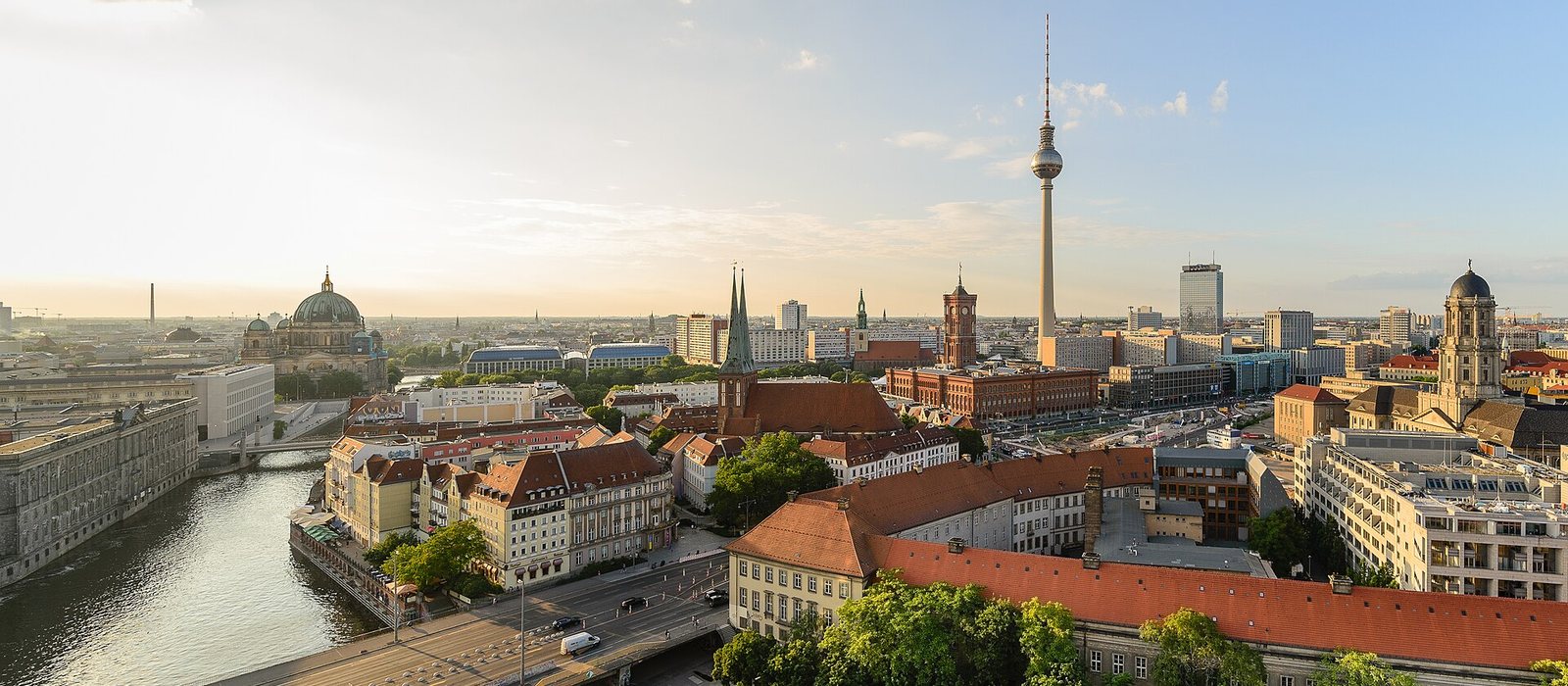
Before you set off, the cleanest way to start is to rent a car in Berlin and pick the vehicle up at the airport or in the city, because every car our partners supply already carries the green sticker and runs on local plates, which removes two of the most common tourist headaches in one step.
Can tourists drive on the Autobahn?
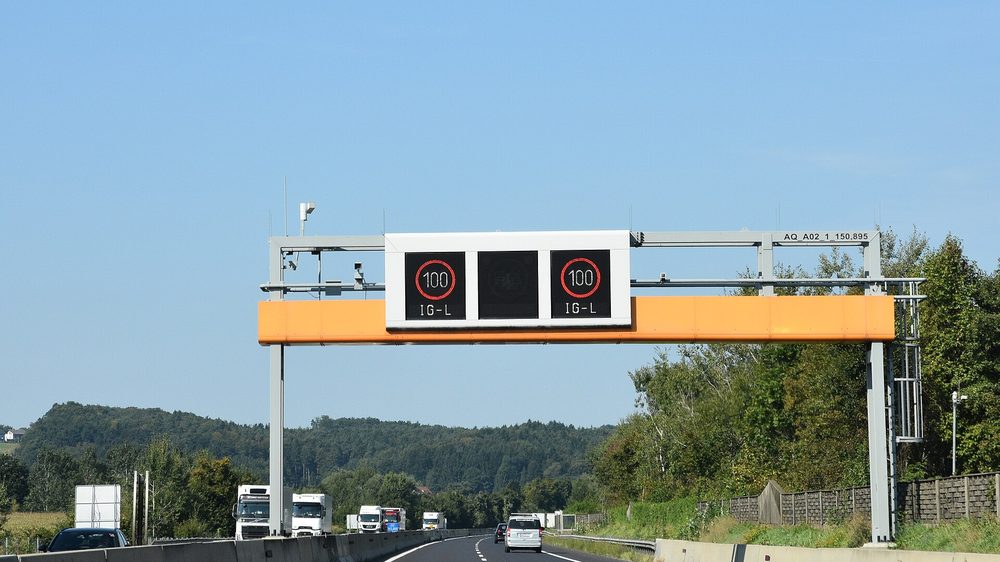
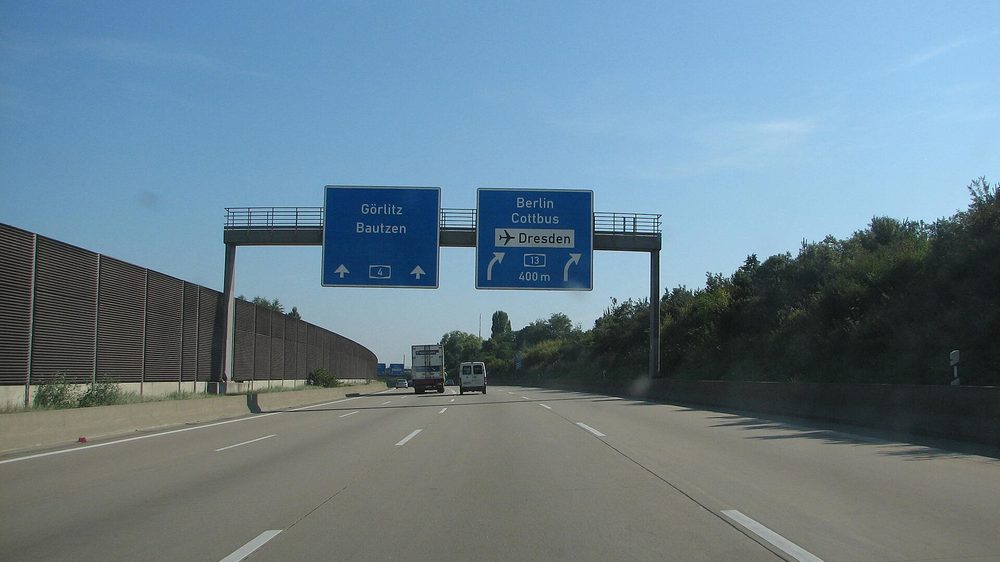
Yes. Tourists can drive on the Autobahn with a valid licence, and on many stretches there is no fixed speed limit. An advisory limit of 130 km/h applies, but you may legally drive faster where no signs restrict you. Cities, roadworks and accident-prone sections do post limits, and those are enforced by camera.
What the Autobahn is really like
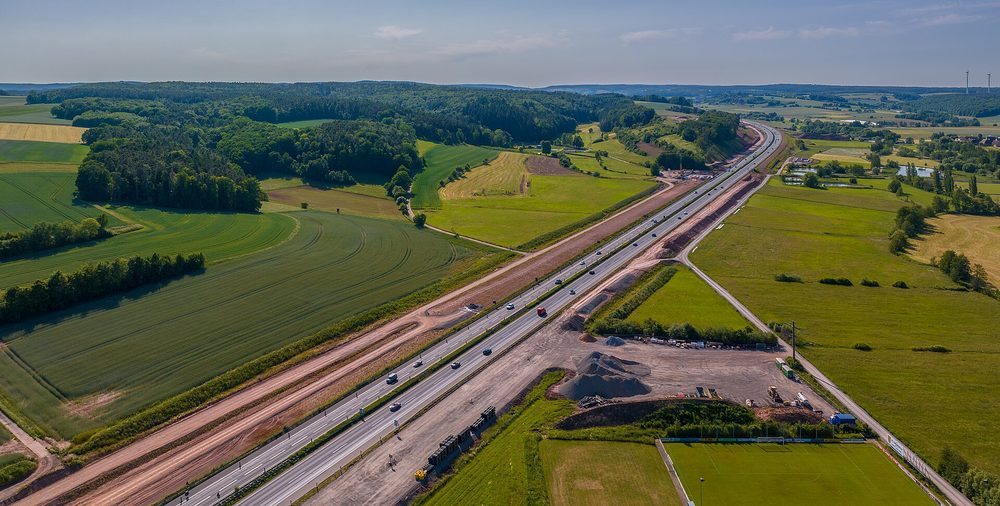
The Autobahn is not one continuous race track. It is the German motorway network, and roughly half of it has speed limits while the rest is de-restricted. You will know a de-restricted stretch by the round sign with diagonal grey stripes, which cancels any previous limit. Where you see it, the 130 km/h advisory speed takes over. You can go faster, but if you are involved in a crash above that figure, insurers and courts can find you partly liable even if the other driver caused it.
The single rule that matters most is keep right. The left lanes are for overtaking only. You move out, pass the slower vehicle, and move back. Sitting in the middle or left lane because it feels safer is what frustrates German drivers and, on a fast section, it is genuinely dangerous, because a car closing from behind at 200 km/h needs you to be predictable.
Passing on the right is not allowed, with narrow exceptions in heavy, slow-moving traffic. Check your mirrors constantly, because a dot in your mirror becomes a tailgating BMW in a few seconds. Indicate early, complete your overtake, and tuck back in.
Speed cameras are common in built-up areas, tunnels and roadworks. Roadworks often drop the limit to 80 or even 60 km/h, and the cameras there are unforgiving. Fines for speeding in Germany are issued by post, and rental companies pass the administrative details to you, so there is no escaping them by being a visitor.
A short Autobahn etiquette list
- Keep right unless you are actively overtaking.
- Never pass on the right except in stop-start traffic.
- Check mirrors before every lane change, twice on fast sections.
- Flash of headlights from behind means someone wants to pass, so move over.
- Form a rescue lane in a jam by pulling to the edges so emergency vehicles get through.
- Hard shoulder is for breakdowns only, never for stopping to rest.
The Umweltzone and the green sticker
Most German city centres are low-emission zones, called Umweltzonen, marked by a sign reading Umwelt Zone. To drive inside one you need a green Umweltplakette, an emissions sticker fixed to the windscreen. Driving into a zone without it risks a fine even if your car is clean enough to qualify, because the offence is the missing sticker, not the emissions.
This trips up tourists who bring a foreign car or assume any rental is covered. Every vehicle we supply already has a valid green sticker, so you can drive into Berlin, Munich, Hamburg, Cologne, Stuttgart and the other zoned cities without worrying about it. If you are crossing borders into Germany in your own car, you should buy the sticker in advance.
Licence, IDP and minimum age
If you hold a licence from an EU or EEA country, it is valid in Germany with no extra paperwork, and you can use it for the length of your stay. Bring the physical card and carry it whenever you drive.
Visitors from outside the EU usually need their national driving licence together with an International Driving Permit (IDP). The IDP is a translation of your home licence, not a standalone document, so you carry both. Drivers from the UK, the US, Canada, Australia and many other countries fall into this category, and the IDP must be obtained in your home country before you travel, as it cannot be issued in Germany.
The legal minimum age to drive in Germany is 18. Rental companies set their own floor, and most ask for drivers to be at least 21, with a young-driver surcharge below 25 and a minimum period since the licence was issued. Premium and performance models often carry a higher age requirement.
Tolls, or the lack of them
Cars do not pay to use the Autobahn. There is no national toll, no vignette and no booth for passenger vehicles, which surprises drivers used to France, Austria or Italy. You can cross the whole country on the motorway without paying a cent for the road itself. Trucks pay a distance-based toll collected electronically, but that does not concern you in a car.
The one cost that does apply in town is the green sticker described above, plus parking. Beyond that, fuel and parking are your main running expenses.
Parking in German cities
City parking runs on a pay-and-display system. You find a machine, called a Parkscheinautomat, pay for the time you need, and place the printed Parkschein ticket face up on the dashboard. Many machines take cards and several cities have apps that let you pay by phone, which is handy when you do not have coins.
Blue zone markings mean you need a parking disc set to your arrival time for short free stays. White lines usually mean paid or permit parking, and yellow markings mean no parking. Read the small signs, because residential permit zones look like normal spaces but will get you ticketed.
For sightseeing, the easiest option is often a Park and Ride site, signposted P+R, on the edge of the city. You leave the car there cheaply and take the U-Bahn, S-Bahn or tram into the centre, which spares you both the traffic and the hunt for a space near the main sights.
Fuel and charging
German filling stations are self-service. You fill the tank yourself, then pay inside at the till by quoting your pump number. Diesel and several grades of petrol are sold, so check which fuel your car takes before you lift the nozzle, as putting petrol in a diesel is an expensive mistake. The pump labels follow the EU system, with E5 and E10 for petrol and B7 for diesel.
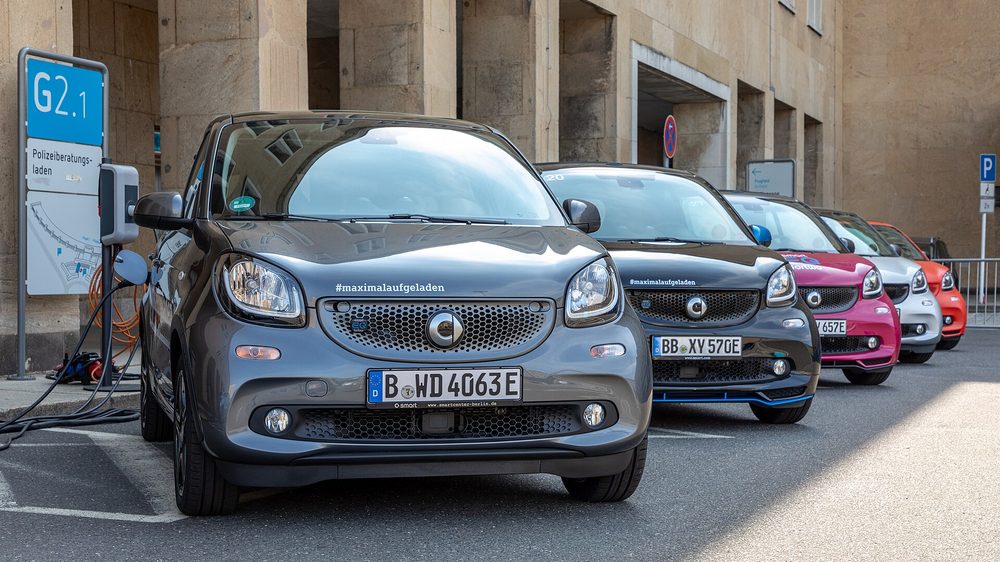
If you book an electric car, charging is widely available. Cities have public chargers, motorway services have rapid points, and most networks work with a contactless card or an app. A Tesla Model 3 or a BMW i4 makes long German road trips comfortable, and the Autobahn service stations are well spaced for top-ups. Plan charging stops on a long run, because the fastest stretches drain a battery quicker than you expect.
The winter tyre rule
Germany has a situational winter tyre law. You are required to fit winter or all-season tyres marked for snow when conditions are wintry, meaning ice, snow, slush or frost on the road. There is no fixed calendar date, the trigger is the weather. Driving on summer tyres in those conditions brings a fine and, more seriously, invalidates part of your liability cover in a crash. If you are travelling between roughly October and Easter, expect the car to be on suitable tyres, and we make sure rentals are fitted correctly for the season.
Best road trips from Berlin and beyond
Once you are confident on the roads, Germany rewards a road trip. A few favourites for visitors based in or starting from the capital:
Potsdam sits half an hour southwest of Berlin and packs in palaces and parkland, with Sanssouci as the headline. It is an easy half-day or full day, and parking near the parks is manageable outside peak times.
Dresden is about two hours south on the A13, a baroque city rebuilt after the war, with the Frauenkirche and the old town on the Elbe. It pairs well with a loop into Saxon Switzerland, where the sandstone hills above the river are some of the best scenery in eastern Germany. A practical Volkswagen Golf handles these motorway runs without fuss and slips into the narrow old-town streets afterwards.
The Romantic Road runs through Bavaria from Würzburg down to Füssen, linking walled medieval towns like Rothenburg ob der Tauber and ending near Neuschwanstein castle. It is a longer trip from Berlin, but it is the classic German driving holiday and works beautifully over several days.
The Baltic coast north of Berlin gives you a different Germany, with beach resorts, the island of Rügen and its chalk cliffs, and long flat roads through farmland. It is an easy weekend drive in summer and far quieter than the southern routes.
For longer or more comfortable journeys, an executive saloon such as the Mercedes-Benz E-Class eats the motorway miles and makes the de-restricted stretches genuinely relaxing rather than tiring.
A few last practical notes
Drive on the right and overtake on the left. Headlights must be on in tunnels and in poor visibility, and daytime running lights are sensible everywhere. The blood alcohol limit is 0.5, and zero for drivers under 21 or with less than two years of experience, so treat drinking and driving as off the table. Children need appropriate seats, and everyone wears a seatbelt. Using a handheld phone while driving is heavily fined.
Germany is one of the more rewarding countries in Europe to drive in. The roads are excellent, the signage is clear, and the only real homework is the licence, the green sticker and the habit of keeping right. Sort those before you collect the keys and you are free to enjoy the Autobahn the way it was meant to be used.