
The metro is the best way to get around Barcelona. It is fast, cheap, runs late, and reaches almost everywhere a visitor wants to go. Buy a T-casual ticket for ten rides, tap in, and you can mix metro, bus and tram on a single fare within the city. For most trips inside Barcelona you will not touch a car at all. Where a car earns its keep is outside the city, on the day trips that public transport handles slowly or not at all. If those are on your list, it is worth knowing how to rent a car in Barcelona before you arrive, because picking one up downtown means dealing with the low-emission zone and paid street parking.
This guide walks through every option, what each one costs, and the honest cases where you do and do not need wheels of your own.
What is the best way to get around Barcelona?
For most visitors the Barcelona metro is the best way to get around. It runs roughly 5am to midnight on weekdays, all night on Saturdays, and reaches the centre, the beach and the airport. Buy a T-casual ticket for ten shared rides across metro, bus and tram. Walk the old town, and keep a car only for day trips out of the city.
The metro: fast, cheap and easy to read
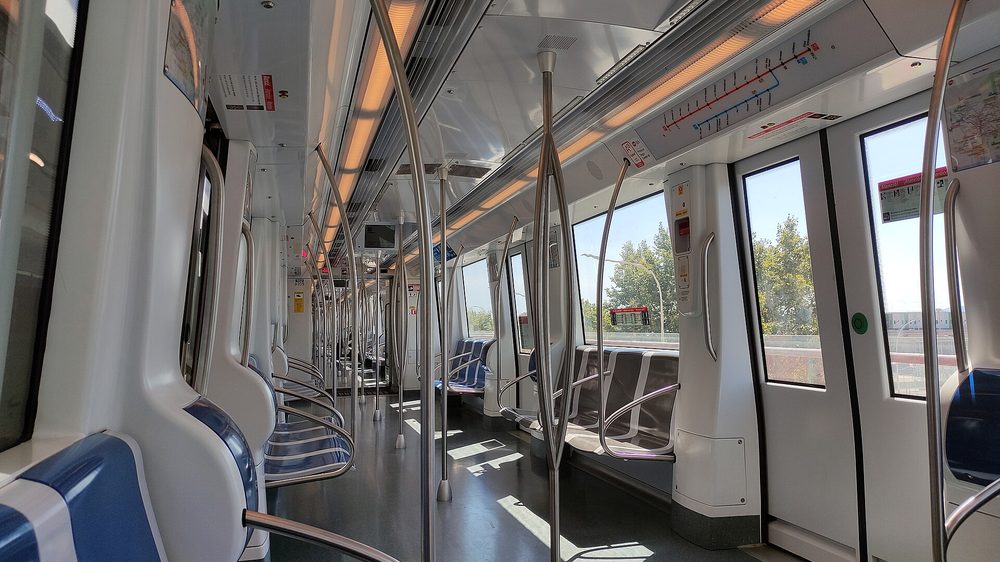
The metro is run by TMB (Transports Metropolitans de Barcelona) and it is the backbone of getting around the city. There are eight main lines, each with its own number and colour, plus a couple of automated lines run separately. Signs are clear, trains come every two to five minutes at peak times, and the whole central area sits inside Zone 1, so you rarely worry about which fare zone you are in.
Hours are simple to remember. Trains run from about 5am to midnight Monday to Thursday and on Sunday, until 2am on Friday, and right through the night on Saturday. That Saturday all-night service is genuinely useful if you are out late and do not fancy a taxi.
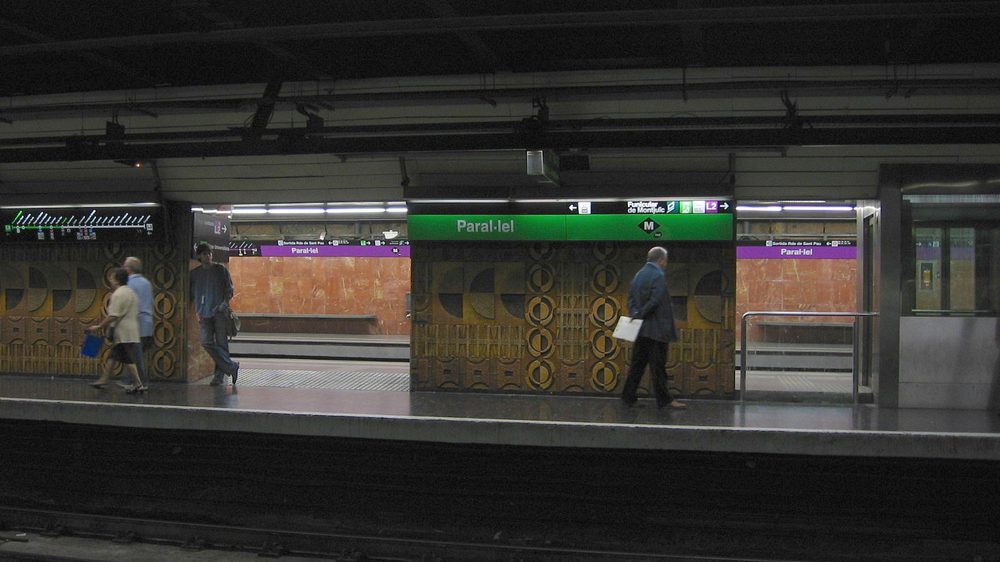
The lines you will use most are L3 (green), which links Sants station, Plaça Catalunya, Passeig de Gràcia and the Sagrada Família area, and L4 (yellow), which runs near the Born and the beach. L1 (red) covers Plaça Espanya and the wider centre. Stations near the big sights get crowded, and that is exactly where pickpockets work, so keep your bag closed and in front of you on busy platforms and trains.
Buses and trams
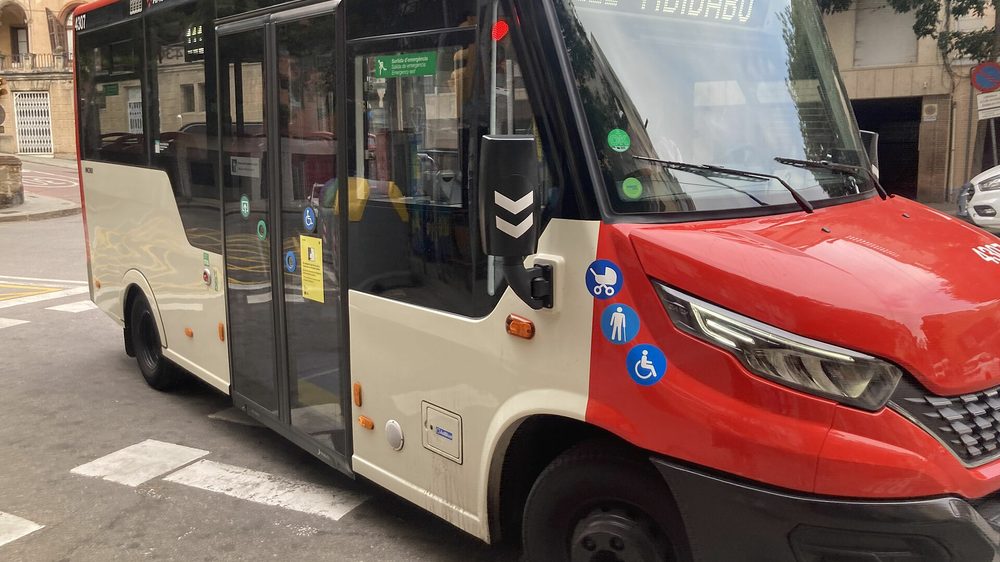
Buses fill the gaps the metro misses and are the better choice for some routes, especially up to Park Güell or along the seafront where the network is thinner underground. The city runs a grid of high-frequency lines numbered with a letter and a number (H for horizontal, V for vertical, D for diagonal), which makes them easier to navigate than they first look. Night buses, branded Nitbus, take over once the metro stops and nearly all pass through Plaça Catalunya.
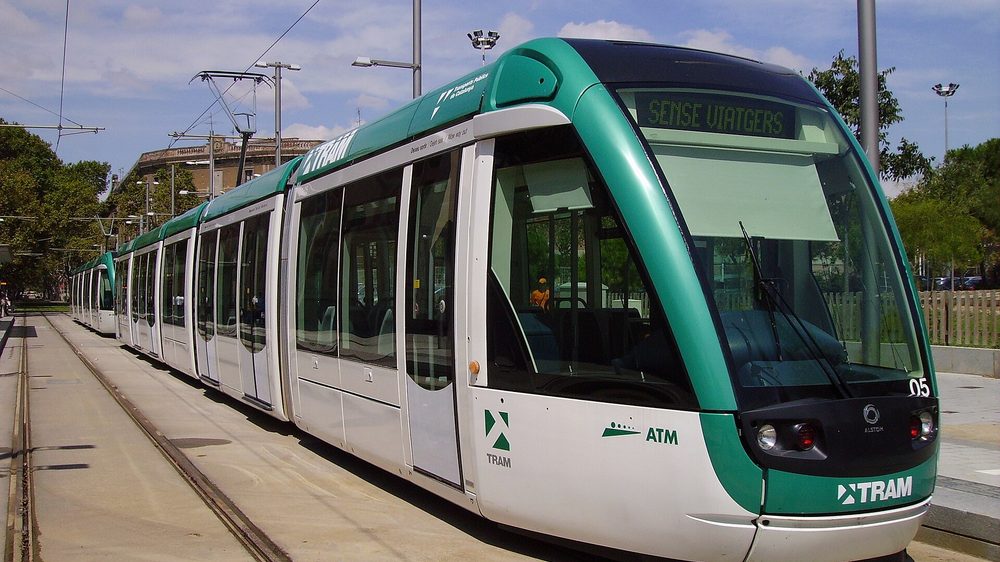
Barcelona also has two modern tram networks, Trambaix and Trambesòs, running on the edges of the city. Most tourists rarely need them, but they are smooth and they accept the same tickets as the metro and bus.
Tickets: T-casual and the Hola Barcelona card
This is where people overpay, so it pays to get it right.
A single ride costs more than two euros, which adds up fast. The T-casual is the standard answer: ten rides for one person on metro, bus, tram and the local FGC and Rodalies trains within Zone 1. It works out to a little over one euro per ride. The catch is that it is single-person, so two travellers need two cards, and each tap is one ride. Transfers within 75 minutes count as the same ride, so a metro-then-bus hop does not cost you twice.
The Hola Barcelona travel card is unlimited rides over a set window: 48, 72, 96 or 120 hours. It also covers the airport metro, which the T-casual does not. The maths is straightforward. If you ride heavily, four or more times a day for several days straight, Hola Barcelona can win. If you walk a lot and take three or four metro trips a day, the T-casual is usually cheaper. For a typical long weekend of sightseeing, most people come out ahead on a T-casual.
Buy either from the machines in any metro station. They take cards and have an English menu.
Taxis and rideshare
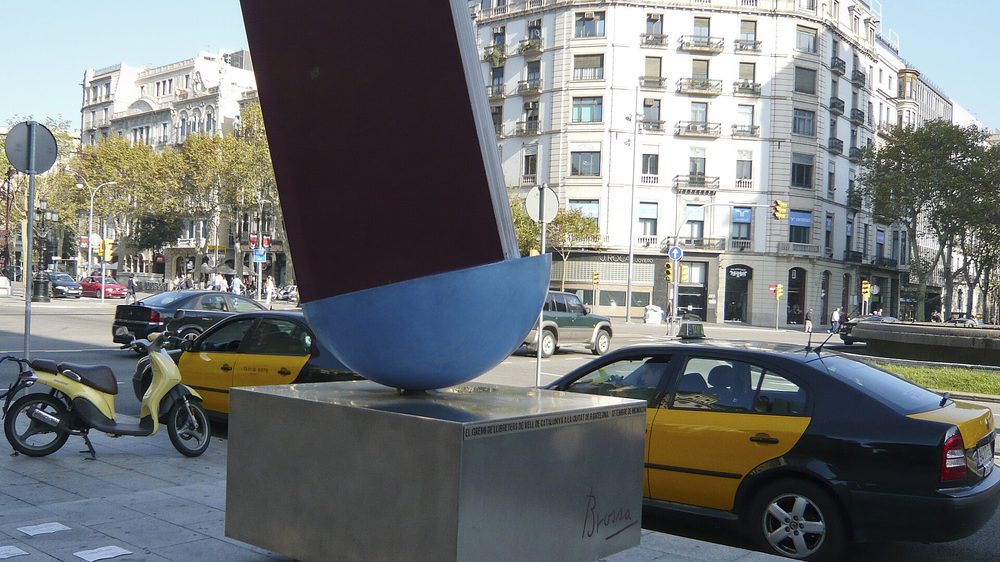
Barcelona’s black-and-yellow taxis are metered, regulated and easy to flag on the street when the green light is on. Fares are reasonable by European standards, there is a fixed-price run to and from the airport, and you can hail one, find a rank, or book through apps like FreeNow. For a short hop with luggage or a late night when you are tired, they are hard to beat.
Rideshare is more limited here than in most cities. Uber operates in a reduced form and is often just licensed taxis through the app rather than the cheaper private cars you might expect elsewhere. Cabify is the more established private-hire option and usually has decent availability. Either way, do not count on rideshare being dramatically cheaper than a normal taxi in Barcelona, because local rules have pushed prices closer together.
Getting to and from the airport
Barcelona El Prat sits about 15km southwest of the centre, and you have three good ways in.
The metro L9 Sud reaches both terminals and connects to the rest of the network. It is cheap, but note that the airport stations need a special airport ticket, so a standard T-casual will not open the gates here. The Hola Barcelona card does cover it.
The Aerobus is an express coach to Plaça Catalunya, running every few minutes from early morning to late at night, with luggage space and a flat fare. It is the simplest option if your hotel is near the centre and you have bags.
The R2 Nord train (Rodalies) runs from Terminal 2 to Sants and Passeig de Gràcia and is the cheapest route of all, included in the T-casual. The one downside is that Terminal 1 passengers need a free shuttle bus to reach the station, which adds time.
If you are collecting a rental car, most desks are at the airport, which is the smart place to pick up and drop off. You avoid driving in the city, and you are already pointed at the motorway for your day trips.
Walking the old town
Plan to walk more than you expect. The Gothic Quarter, El Born and El Raval are tight medieval streets where a car is pointless and the metro stops are close together anyway. The same goes for La Rambla and the stretch down to the harbour. Half the pleasure of central Barcelona is on foot, and you will often reach a nearby sight faster than waiting for a train. Comfortable shoes do more for your trip here than any travel card.
Bikes: Bicing versus tourist hire
You will see red-and-white Bicing bikes all over the city, but they are a residents-only scheme tied to a local subscription and an NIE or local payment setup. As a visitor you cannot realistically use them, so do not plan around them.
What you can use is a tourist bike rental, widely available near the beach and the centre, including e-bikes. Barcelona has a growing network of segregated cycle lanes, and the flat coastal strip from Barceloneta along the waterfront is a genuinely good ride. Inland the city climbs toward the hills, so an e-bike is worth the extra few euros if you want to range further.
When a rental car is actually worth it
Here is the honest verdict: skip the car for the city, get one for the region.
Inside Barcelona a car is a liability. The centre falls inside a ZBE (Zona de Baixes Emissions), a low-emission zone that restricts older, more polluting vehicles on weekdays, and street parking is paid and scarce across most central neighbourhoods. Add narrow one-way streets and you spend your holiday looking for a space. The metro beats it on every measure that matters to a visitor.
The picture flips the moment you want to leave the city. Public transport to the nearest spots is fine. Trains reach Sitges in about 40 minutes and run to Girona and Montserrat (with a cable car or rack railway for the final climb). But the Costa Brava coves, the inland villages, the wineries of the Penedès and a flexible day where you stop where you like are all far easier with your own car. A car turns a rigid timetable into a day you actually control.
A small hatchback is plenty for two people heading up the coast, and something like a Toyota Corolla is a sensible, economical pick for the motorway runs to Costa Brava or Montserrat. Pick it up at the airport or on the edge of the city, keep it for the days you are actually exploring the region, and use the metro for everything inside Barcelona.
Timing helps too. Driving and parking at the coast are far more pleasant outside the peak summer crush, so it is worth checking the best time to visit Barcelona before you lock in dates for a road trip.
Quick comparison
| Option | Best for | Cost | Notes |
|---|---|---|---|
| Metro | Almost all city trips | T-casual ~1.30 euro per ride | Fast, frequent, runs all night Saturdays. Watch pickpockets at tourist stops. |
| Bus | Routes the metro misses, Park Güell, seafront | Same T-casual ride | Easy lettered grid; Nitbus covers the late hours. |
| Tram | Outer edges of the city | Same T-casual ride | Smooth but rarely needed by tourists. |
| Taxi | Late nights, luggage, short hops | Metered, fixed airport fare | Reliable; flag on the street or use FreeNow. |
| Rental car | Day trips: Costa Brava, Montserrat, Sitges, Girona | Daily rate plus fuel and parking | Skip it for the city centre; airport pickup is best. |
| Bike (tourist hire) | The flat waterfront, casual rides | Hourly or daily hire | Bicing is residents-only; rent from a shop or use an e-bike. |
| Walking | The old town and the centre | Free | Often the fastest way between nearby sights. |
The short version
Lean on the metro and your own two feet for Barcelona itself, buy a T-casual unless you are riding constantly, and take a taxi when you are tired or loaded with bags. Save the rental car for the days you head out to the coast and the mountains, where it genuinely changes the trip. Get that split right and you will spend less, see more, and waste no time circling for parking.