
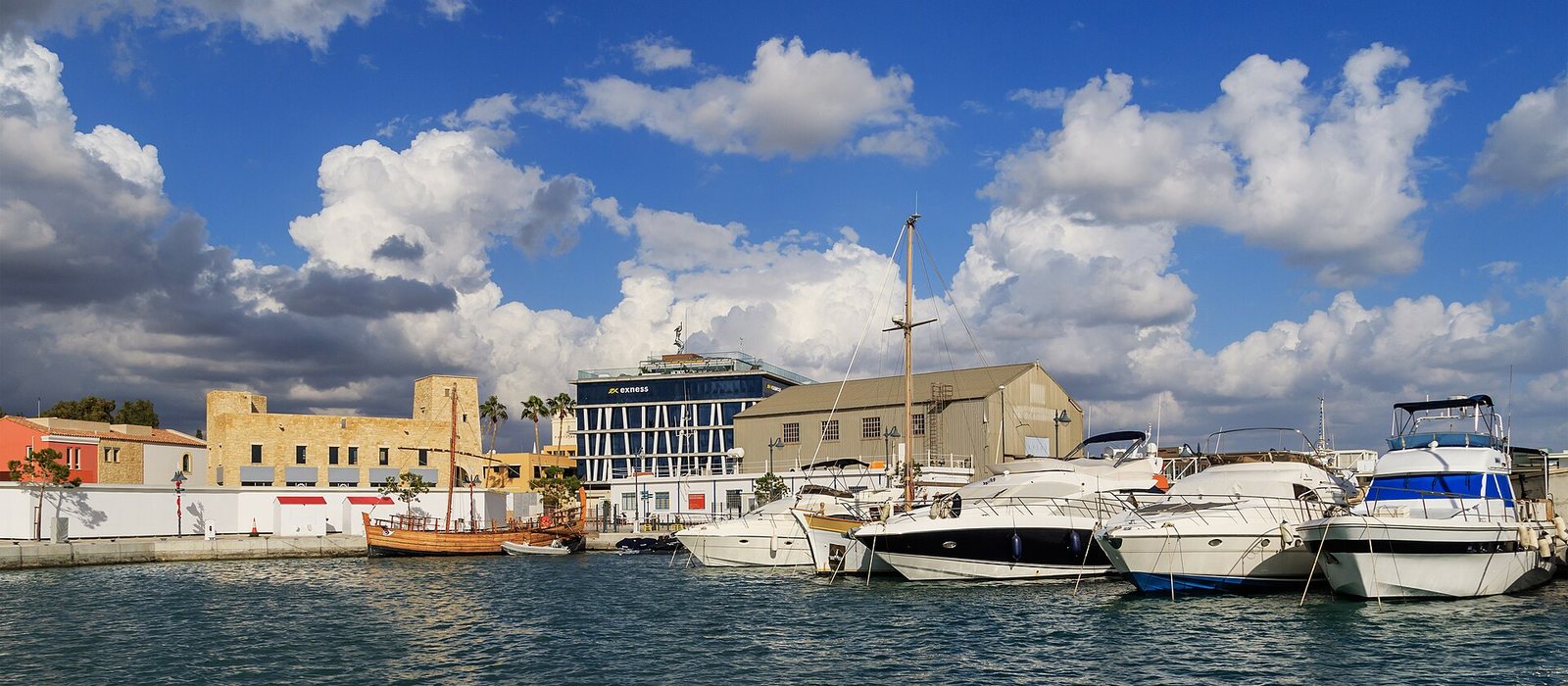
Yes, renting a car in Cyprus is worth it for most visitors, because the sights you actually came to see are spread across the island and the bus network does not reach a lot of them. A village winery in the Troodos foothills, a quiet beach past Cape Greco, an ancient ruin half an hour out of town, none of those are a short walk from a hotel. With your own car you reach them on your schedule, and since there are no motorway tolls, a day of driving costs little more than fuel. If you plan to leave your resort even a few times, a rental usually pays for itself fast. The simplest place to start is to rent a car in Limassol, which sits central enough to reach both ends of the south coast in a day.
That said, it is not the right call for everyone. If you are staying inside one resort town, walking to the beach, and have no interest in day trips, you can manage with the bus and the occasional taxi. The honest answer depends on how much you want to explore, so here is the full picture before you decide.
Is hiring a car in Cyprus worth it?
For travellers who want to see more than their hotel pool, yes. Cyprus is compact but its best beaches, mountain villages and archaeological sites sit far apart with thin public transport between them. Car hire gives you the freedom to reach all of it, and with no motorway tolls and economy cars from around $30 a day, the cost is reasonable.
Why a car makes Cyprus easier
The island rewards people who move around. Public buses connect the main towns and run along the coasts, but they thin out in the evenings, skip the interior almost entirely, and rarely stop near the small places that make a trip memorable. Getting from Limassol up to a mountain village by bus can mean a long wait and a transfer, if a route exists at all. By car it is a straightforward drive.
Taxis fill some of the gap, but the meter adds up quickly on longer trips, and you are stuck waiting for a return ride at a remote beach or taverna. A rental removes that friction. You stop where you want, stay as long as you want, and carry a cooler, beach gear or shopping without thinking about it.
Distances also work in your favour. Cyprus is small. From a central base you can reach most of the south within two hours, which means a different beach, town or hike every day if that is your kind of holiday.
Driving on the left, UK style
Cyprus drives on the left with right-hand-drive cars, a leftover from British rule. If you are coming from the UK, Ireland, Malta or Australia this will feel normal. If you usually drive on the right, give yourself a little patience for the first day.
A few things help the adjustment:
- Take the first drive somewhere quiet, not straight out of the airport into city traffic.
- The gear stick is on your left and the indicators and wipers may be swapped from what you expect. Expect to flick the wipers a few times before it sticks.
- At roundabouts, traffic comes from your right and you give way to the right. Going clockwise feels strange at first and then becomes automatic.
- Keep telling yourself to stay left when you pull out of a car park or a side road, which is where most mistakes happen.
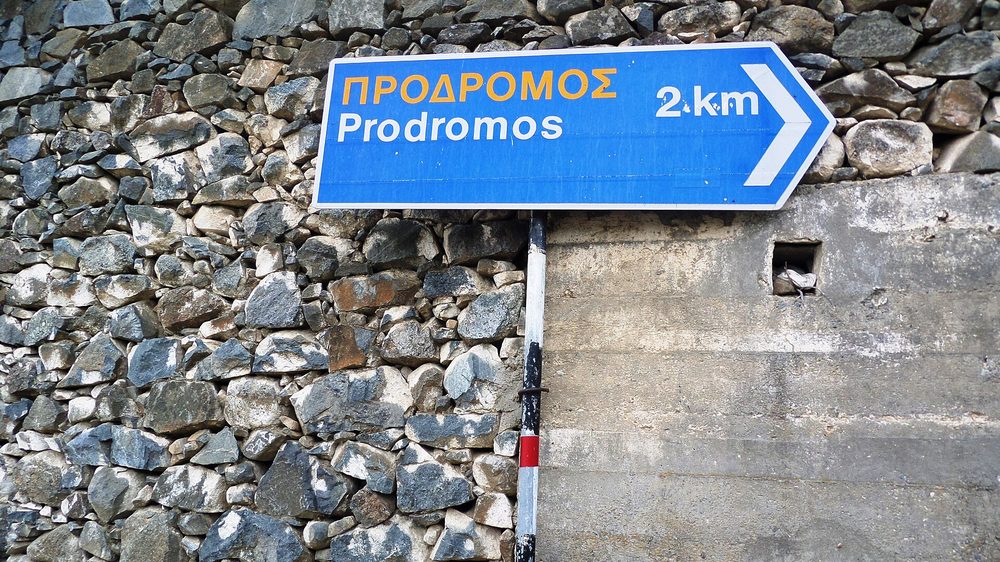
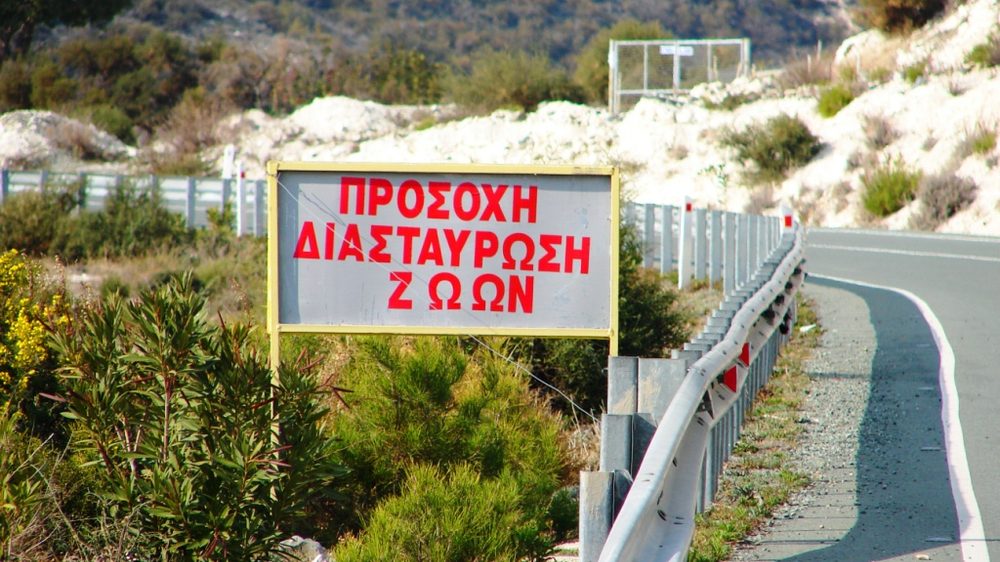
Road signs are in both Greek and English, so navigation is not a problem. Within a day or two most people stop thinking about it.
Licence and International Driving Permit
EU and UK driving licences are accepted directly in Cyprus, so most European visitors just bring their normal card. If your licence was issued outside the EU, you generally need your national licence plus an International Driving Permit (IDP), which you arrange in your home country before you travel. It is a cheap document and worth sorting in advance, because rental desks and police can ask for it.
You usually need to be at least 21 to rent, sometimes 23 or 25 for larger or premium cars, and a young-driver surcharge may apply under 25. Bring the physical licence and the card you booked with.
No tolls, and what driving actually costs
One of the quiet pleasures of driving in Cyprus is that the motorways are free. There are no tolls anywhere on the island, so a long day trip costs you fuel and maybe a few euros for parking, nothing else.
Rough costs to budget for:
- Economy car: from about $30 a day, less for longer rentals and off-season.
- Fuel: petrol is sold by the litre and roughly mid-range by European standards. A small car will sip very little on a holiday’s worth of driving.
- Parking: free or cheap in most towns, paid in central Limassol and the busier tourist strips. Carry small change for street meters.
- Extras: full insurance cover, a second driver and a child seat add up, so check what is included before you book.
A compact like the Toyota Yaris is the sweet spot for two people doing coastal trips, easy to park and light on fuel. If your plans run into the mountains or rough tracks, something like the Dacia Duster gives you more ground clearance for not much more money.
Roads and driving conditions
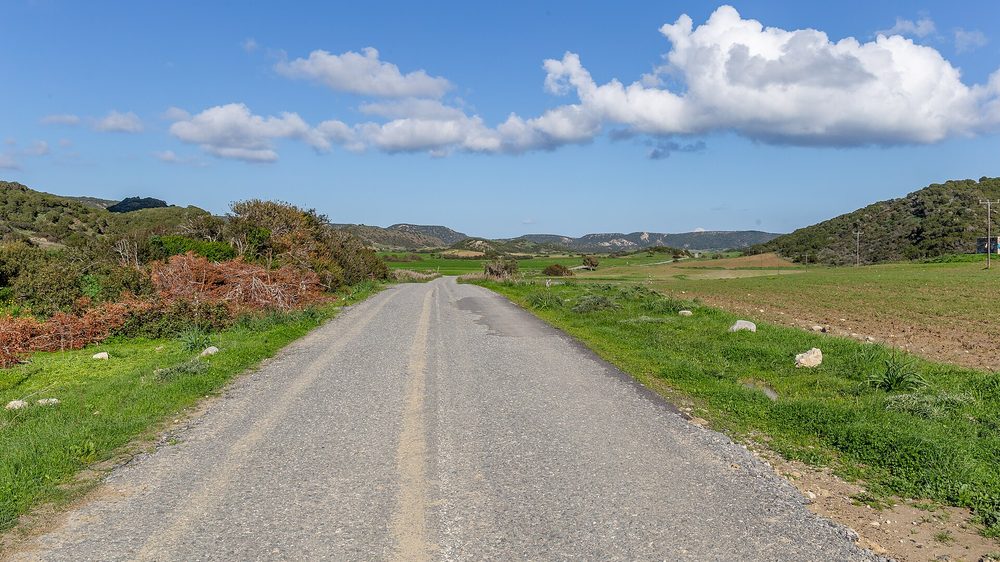
The main roads are modern and in good shape. The A-road motorways linking Paphos, Limassol, Larnaca and Nicosia are wide, quiet by European standards and quick. Outside rush hour in the cities you will often have the road close to yourself.
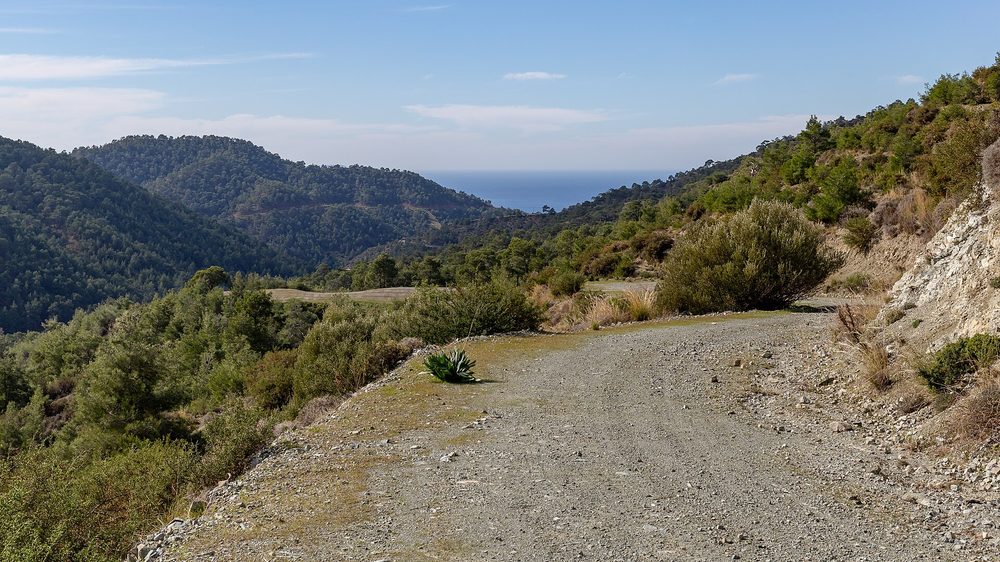
Conditions change once you leave the coast. Mountain roads in the Troodos are narrow and winding with steep drops and tight bends, so take them slowly and use the horn on blind corners as locals do. Some routes to remote beaches or villages turn to gravel near the end. They are usually fine in a normal car if you go gently, but a higher car gives peace of mind. In winter the Troodos can get snow and even has a small ski area, which surprises a lot of first-time visitors.
Local driving can be assertive. Keep your distance, do not assume everyone indicates, and you will be fine.
The buffer zone and driving north
Cyprus is divided. The internationally recognised Republic of Cyprus covers the south, and the north is under Turkish Cypriot administration, with a UN buffer zone between them. You can cross at several checkpoints, but here is the catch for renters: most southern rental companies do not allow their cars into the north, or their insurance stops working the moment you cross. Some will sell you separate cover, many will not.
If seeing the north matters to you, ask your rental company directly before you book and get the answer in writing. A common workaround is to park near a crossing, walk over, and use a taxi or a separate northern rental on the other side. Do not just chance it, an accident in the north with invalid insurance is an expensive mistake.
Best drives from Limassol
Limassol sits roughly in the middle of the south coast, which makes it a strong base. A few trips worth the drive:
Paphos and the west
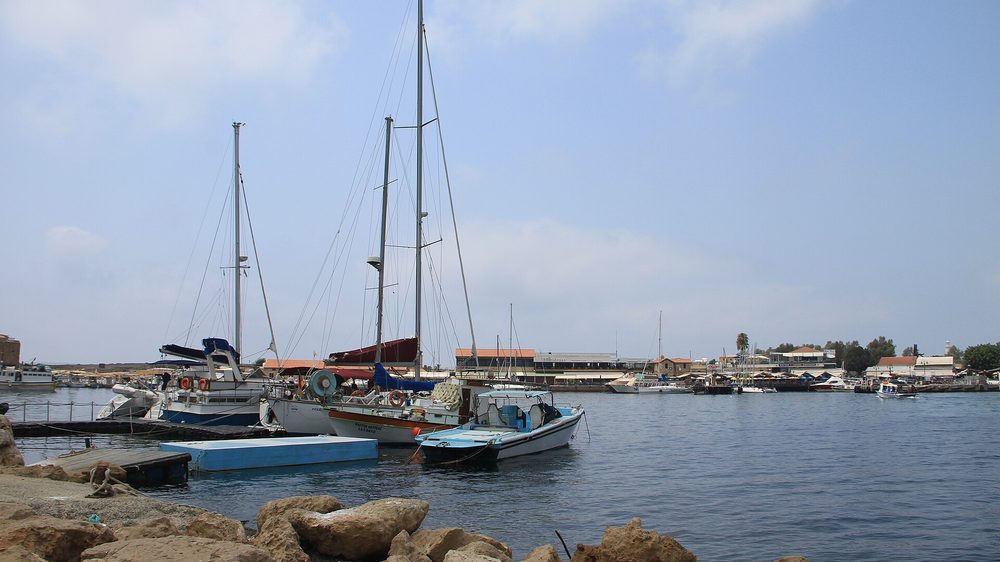
About an hour west along the motorway. Paphos has the mosaics, the harbour, Aphrodite’s Rock on the way, and quieter beaches past the town. An easy half or full day.
The Troodos Mountains
Inland and up. Cool pine forest, stone villages, monasteries and wineries, a real change from the coast. The driving is slower and twistier, so allow time and enjoy it. Combine a couple of villages and a winery into one loop.
Wineries and the wine villages
The slopes north of Limassol are dotted with small wineries and the Commandaria wine region. A car lets you taste at a couple, buy a few bottles and drive home at your own pace. Agree who is staying sober before you set off.
Ayia Napa and Cape Greco
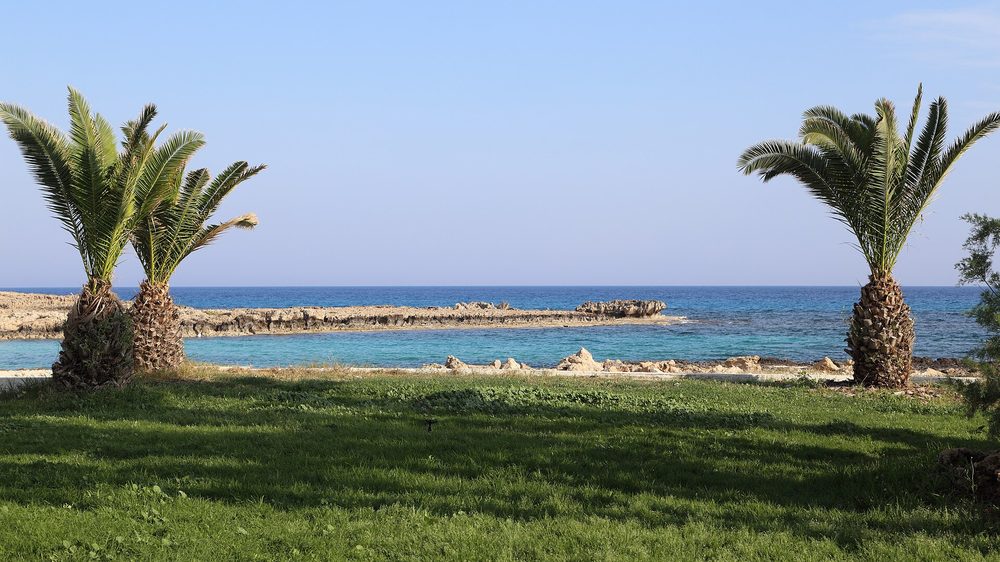
The longest of these from Limassol, out to the southeast, but the sea caves, clear water and the beaches around Cape Greco are worth it. Better as a full day. For an open-top coastal cruise some travellers step up to something like the Range Rover Evoque, though any comfortable car does the job.
Parking and fuel, the practical bits
Parking is rarely stressful. Most beaches, sites and smaller towns have free lots or roadside space. Central Limassol, the marina and the busy summer strips use paid parking, often with meters or an app, so keep coins handy and read the signs for time limits.
Filling up is simple. Stations are common along main roads and in towns, many are self-service with card payment, and a few rural ones close on Sundays, so do not run the tank to empty far from a town. Return the car with the fuel level your agreement asks for to avoid a refuelling charge.
So, is it worth it for you?
If your idea of Cyprus involves more than one beach, a few villages, a winery or a mountain road, a rental is almost certainly worth it. The island is built for it: free motorways, short distances, English signage and good main roads. The only real homework is getting used to driving on the left, sorting an IDP if you need one, and checking the north rule before you cross.
If you genuinely plan to stay put in one resort the whole time, save the money. For everyone else, picking up a car turns a nice holiday into one where you actually see the island. Compare what is available, book the size that fits your trip, and you are set.